
FIVE REGIONS, ENDLESS ADVENTURE
France packs more outdoor variety into its borders than almost anywhere on earth. From the granite spires of Chamonix to the surf breaks of Hossegor. And, from the lavender-lined lanes of Provence to the wild cirques of the Pyrenees, there’s a corner of the country built for every kind of active holiday. We’ve split France into the five regions we know best — pick the one that matches your adventure and dive in.
FRENCH ALPS | PROVENCE | CÔTE D’AZUR | PYRENEES | ATLANTIC COAST
THE FRENCH ALPS
The beating heart of European mountain sport. Home to Mont Blanc, the Tour de France’s most legendary climbs and the largest linked ski areas on the planet. Skiing, snowboarding, mountaineering, mountain biking, road cycling, paragliding, via ferrata — if it’s done in the mountains, it’s done best here.
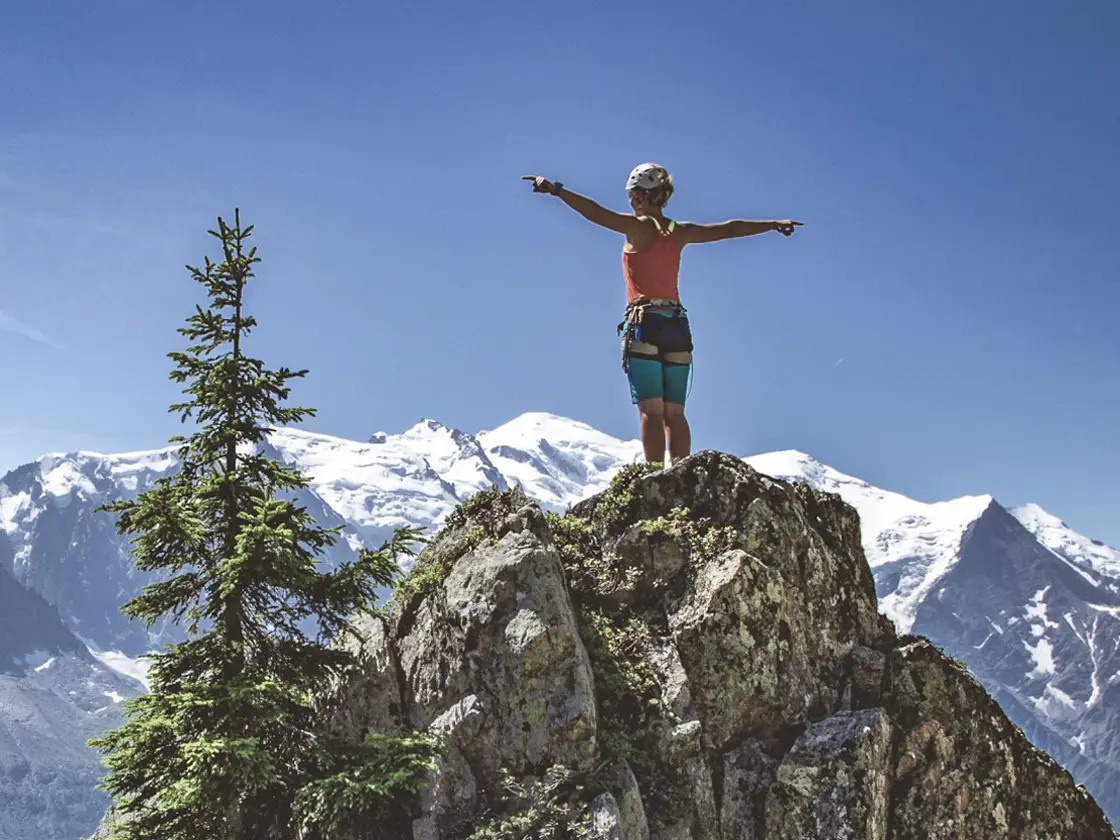
Chamonix
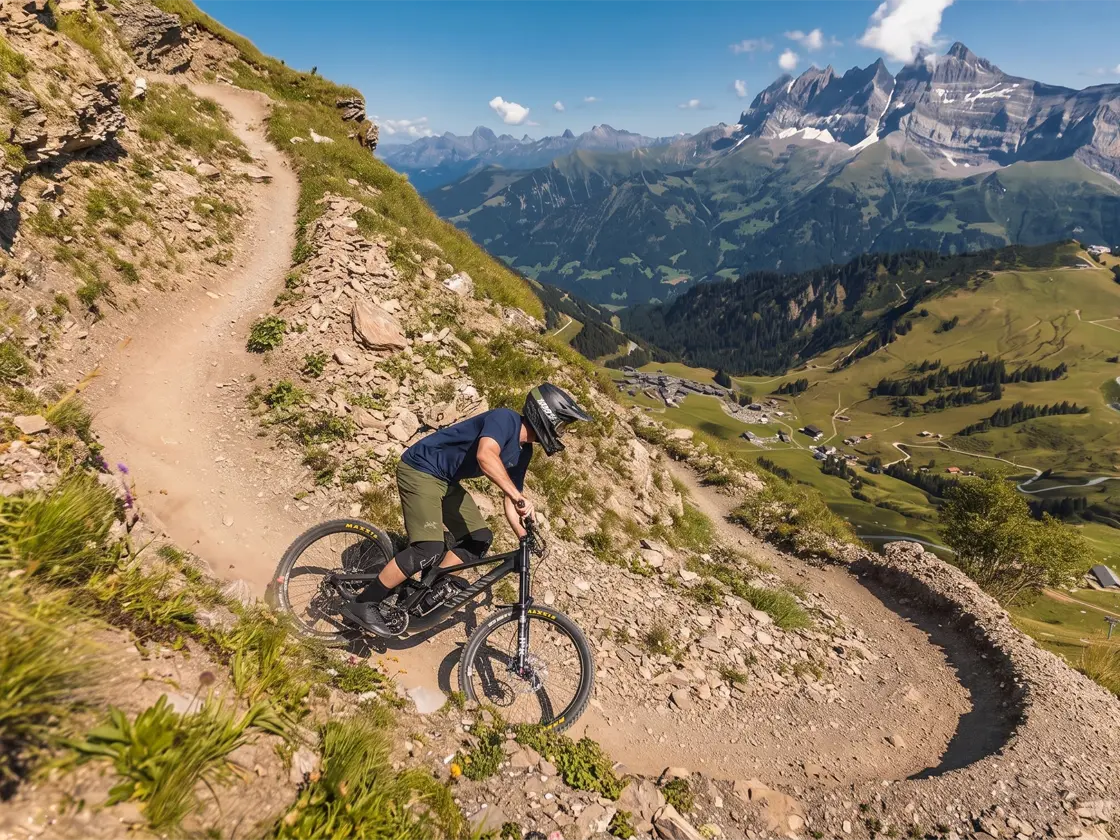
Morzine

Annecy
PROVENCE
Sun-baked limestone, lavender fields and some of Europe’s finest road cycling. Provence is where active travellers come for long days outdoors and longer evenings on a terrace. Climb in the Gorges du Verdon, ride the Mont Ventoux, hike the Luberon ridges — then refuel on rosé and pissaladière.
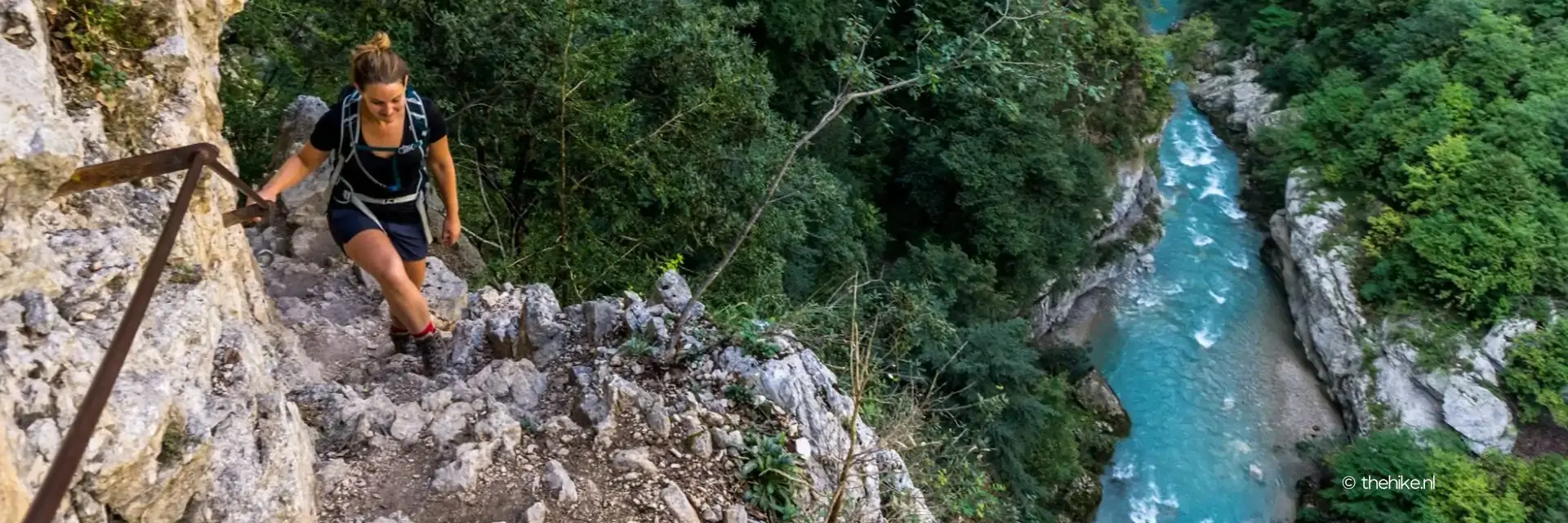
Gorges du Verdon
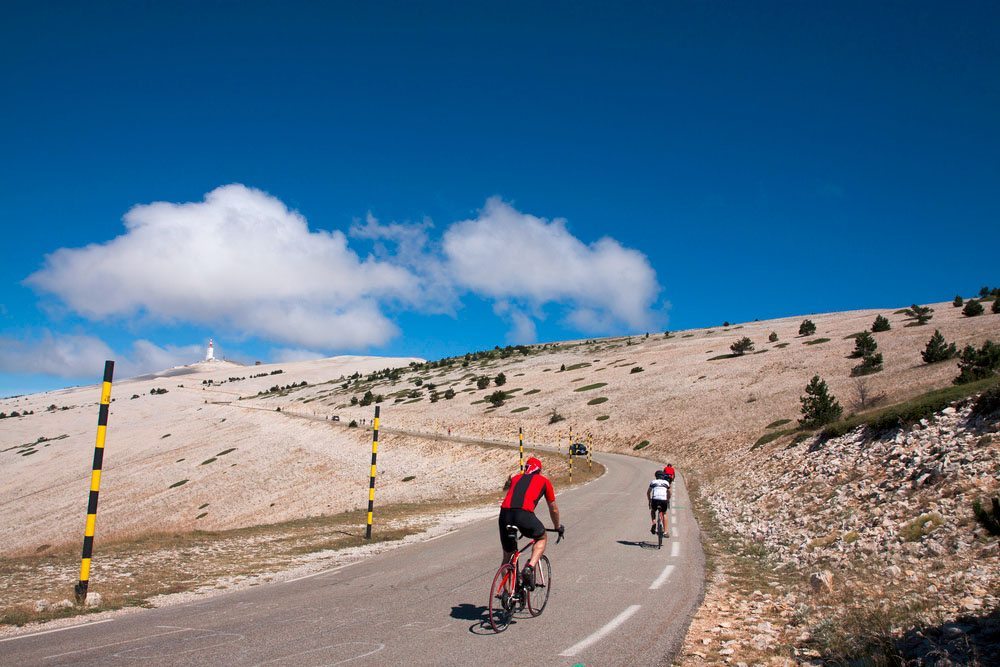
Mont Ventoux
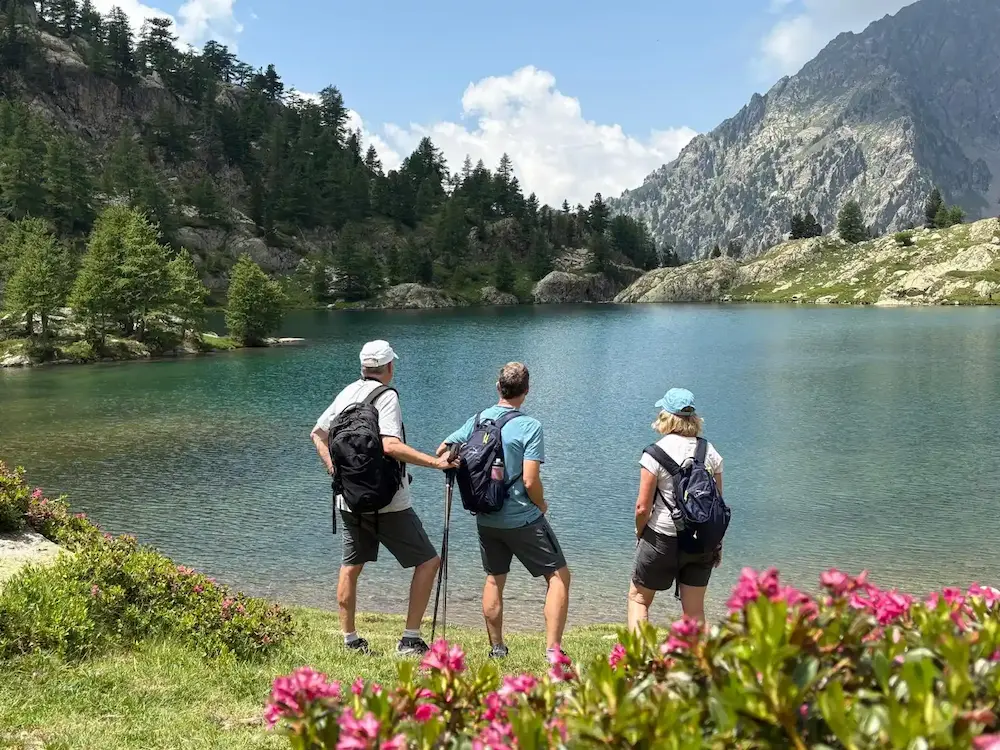
Mercantour National Park
CÔTE D’AZUR
The French Riviera is more than yachts and casinos. Behind the coast rises some of France’s most dramatic terrain — the wild peaks of the Mercantour, the striking contrast of the red rocks and blue Med of the Esterel, and a coastline laced with sea-kayaking, coasteering and coastal trails. Sun, sea and mountains in a single holiday.
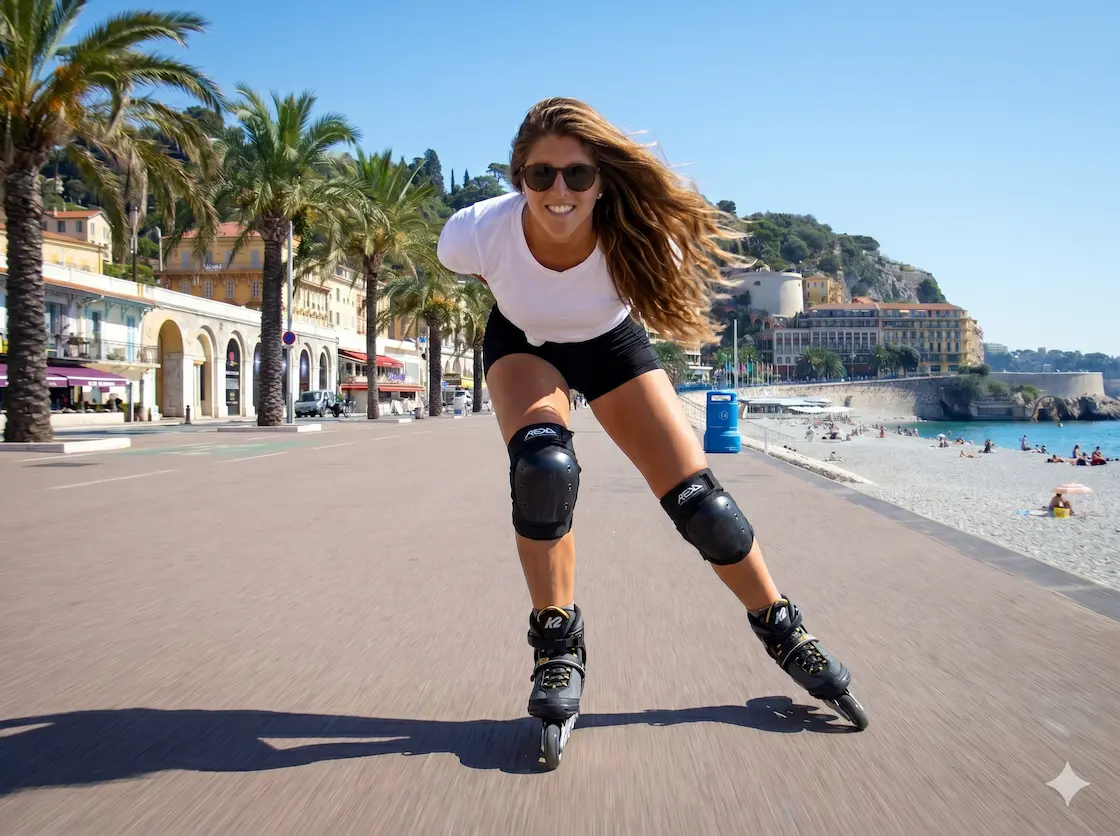
Nice
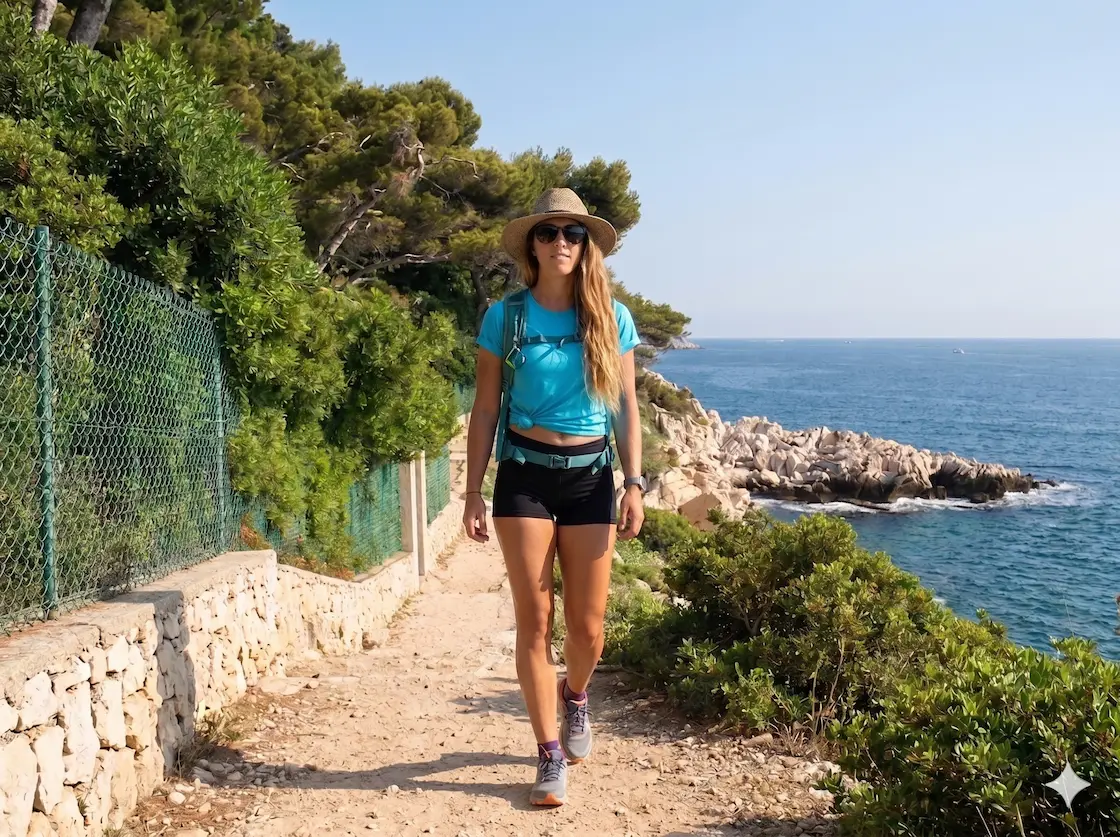
Cap Ferrat Hiking Trail
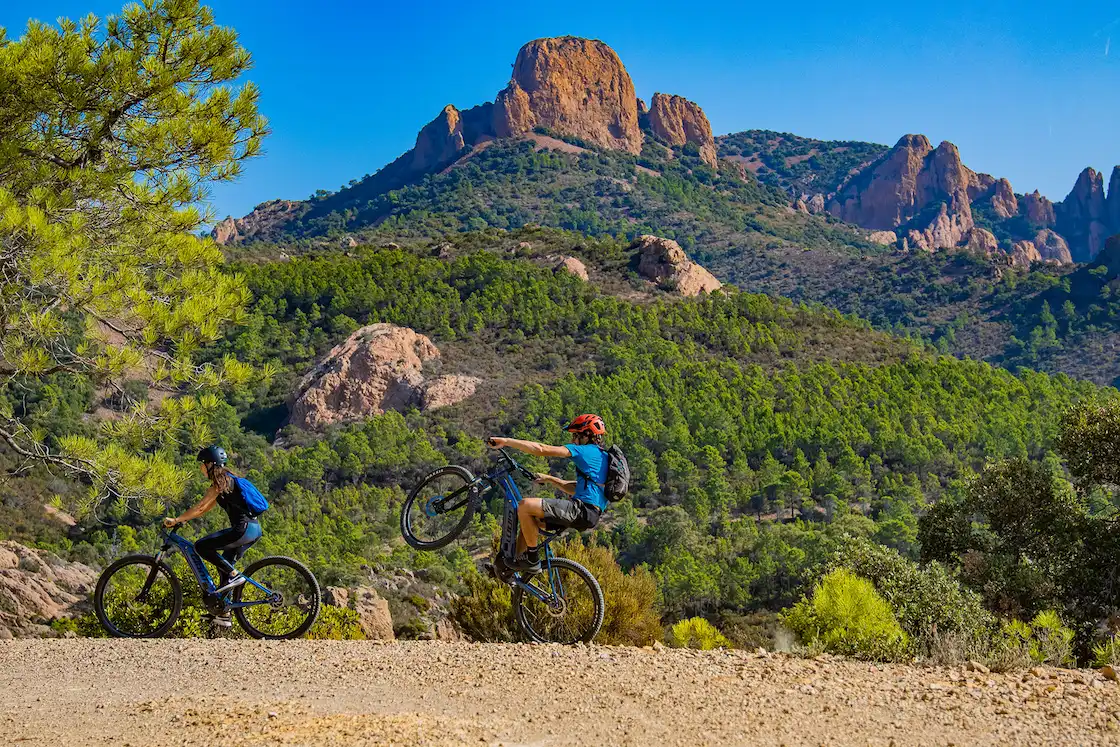
Massif de l’Esterel
THE PYRENEES
France’s quieter mountain range. Wilder, less developed and a fraction of the price of the Alps. The Pyrenees deliver world-class hiking on the GR10, vertical-walled cirques like Gavarnie, family-friendly skiing and a rich Basque-Catalan culture you won’t find further north.
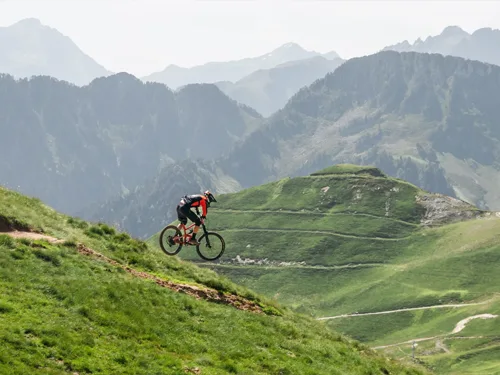
Cauterets
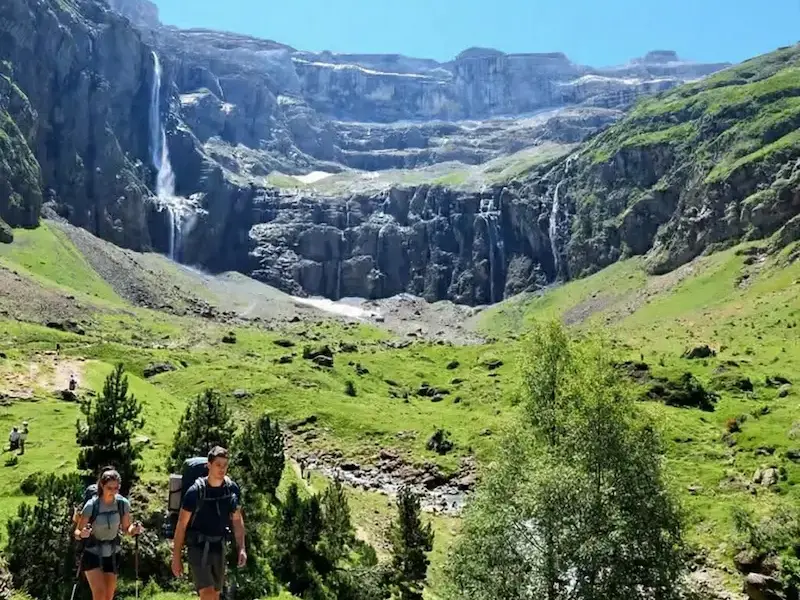
Gavarnie
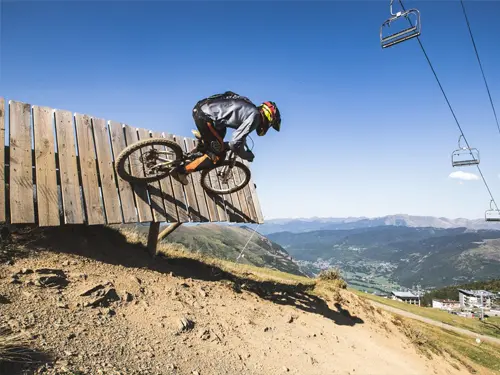
Saint-Lary-Soulan
THE ATLANTIC COAST
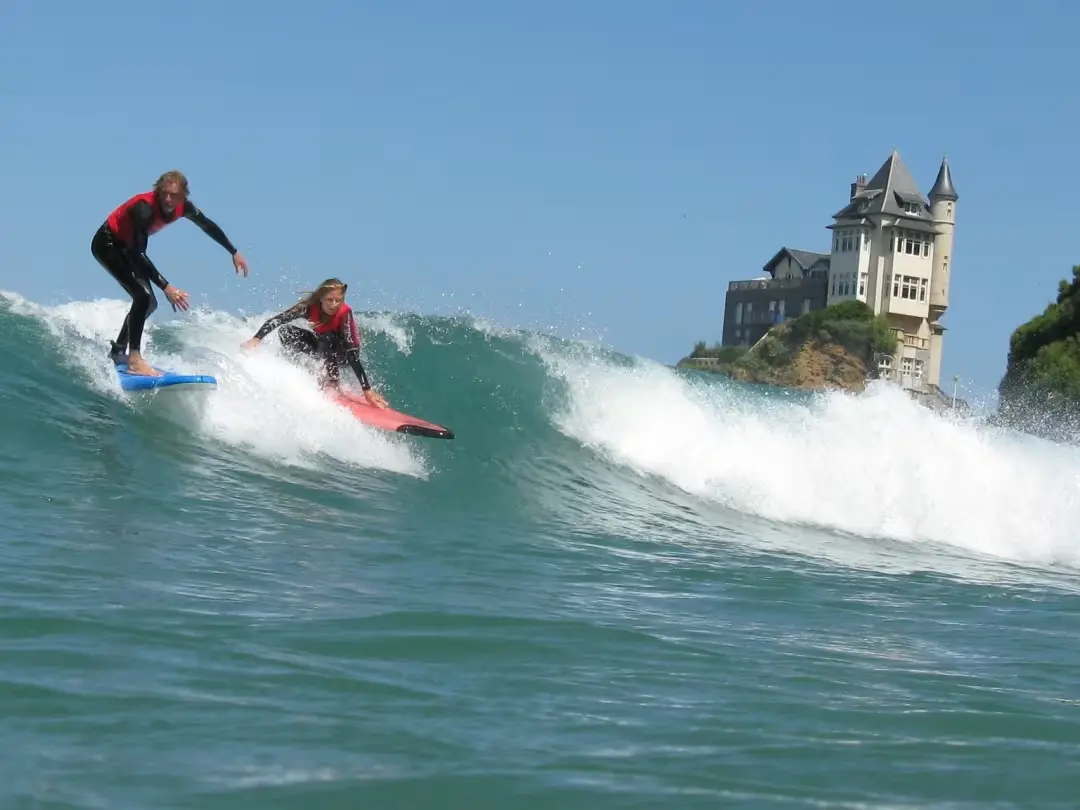
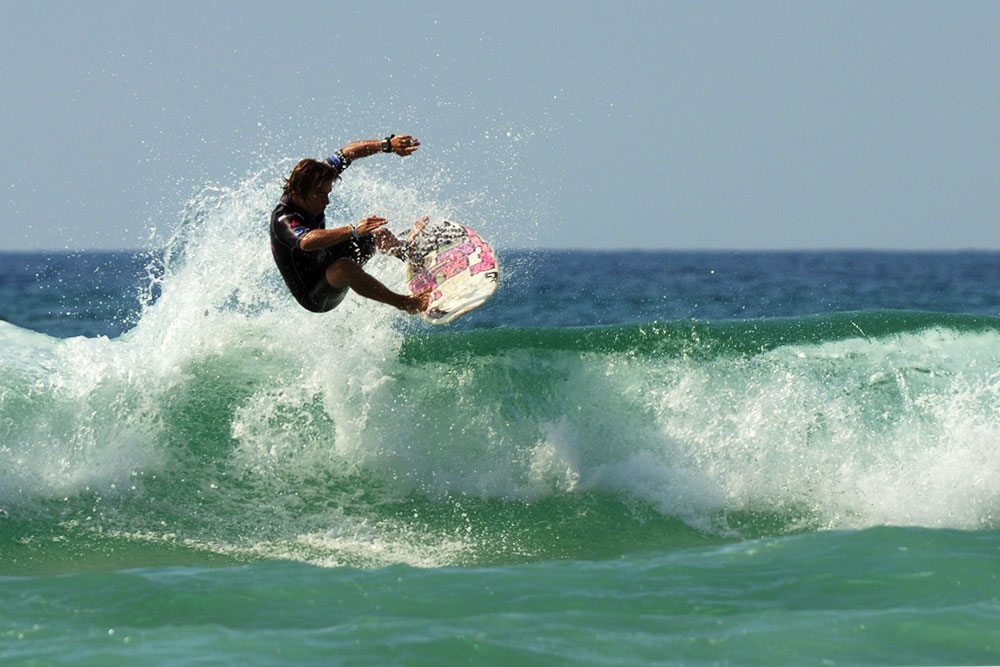
A 250 km strip of pine forest, wide beaches and consistent surf running south from Bordeaux to the Spanish border. The South West is where France comes to surf, paddle and skate. Beach culture meets Basque country, with world-class waves at Hossegor and Biarritz and endless cycling on the Vélodyssée.
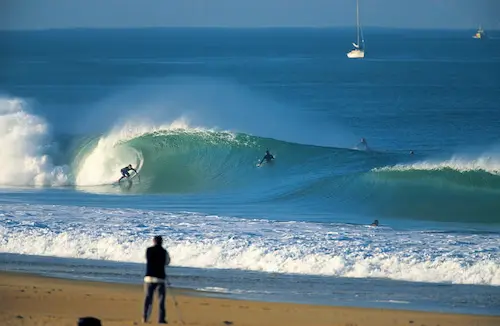
Hossegor
Biarritz
Lacanau
ACTIVITIES BY REGION
Some regions in France are world-class for one sport and average at the rest; others spread their excellence wider. Read down a column to see what a region offers, or across a row to find where to do your activity.
| Activity | French Alps | Provence | Côte d’Azur | Pyrenees | Atlantic Coast |
|---|---|---|---|---|---|
| Skiing & snowboarding | ●●● | ●○○ | — | ●●○ | — |
| Mountain biking | ●●● | ●●○ | ●●○ | ●●○ | ●●○ |
| Road cycling | ●●● | ●●● | ●●○ | ●●● | ●●○ |
| Surfing | — | — | ●○○ | — | ●●● |
| Hiking | ●●● | ●●● | ●●● | ●●● | ●●○ |
| Climbing | ●●● | ●●● | ●●○ | ●●● | ●○○ |
| Paragliding | ●●● | ●●○ | ●●○ | ●●○ | ●●○ |
| Rafting & Kayaking | ●●● | ●●○ | ●○○ | ●●○ | ●○○ |
| Via ferrata | ●●● | ●●○ | ●●○ | ●●● | — |
●●● World-class · ●●○ Strong · ●○○ Decent · — Not really a draw
WHEN TO VISIT
France works year-round for active travel — but knowing the seasonal sweet spots is the difference between a great trip and a brilliant one. Here’s when each region is at its best.
Spring (March – May)
A sweet spot for active travel — fewer crowds, lower prices, and weather warming up across the south while the high mountains still hold snow.
- Best activities: spring skiing in the French Alps and Pyrenees until late April; road cycling in Provence as the lavender begins to grow; hiking on the Côte d’Azur with wildflowers in bloom.
- Best regions: Provence and the Côte d’Azur for shoulder-season cycling and hiking; the high Alps and Pyrenees for late-season snow.
- UK tip: April surfing on the Atlantic Coast is underrated — chilly water but quiet line-ups and consistent Atlantic swells.
Summer (June – August)
Peak season across France’s mountains and coast — biggest crowds and prices, but everything is open and at its most operational.
- Best activities: hiking and mountain biking everywhere; road cycling on the Tour de France passes once the snow clears in early June; surf lessons on the Atlantic Coast; sea kayaking on the Côte d’Azur; paragliding from Annecy and Saint-Hilaire.
- Best regions: the French Alps for full-spectrum mountain sport; Atlantic Coast for surf and beach culture; Côte d’Azur for sea-based adventure.
- UK tip: book Alps accommodation by April — late July and August sell out. Outside French school holidays (which end in early September), prices and crowds drop noticeably.
Autumn (September – November)
The connoisseur’s season. Warm on the coast, the mountains turn russet, and the surf gets serious. We rate September as the best month of the year for active travel in France.
- Best activities: surfing on the Atlantic Coast (the most consistent swells of the year); hiking in the high French Alps and Pyrenees with clear skies and autumn colour; road cycling in Provence with the climbs still open and quiet.
- Best regions: Atlantic Coast for surf; French Alps and Pyrenees for mountain hiking; Provence for cycling and via ferrata.
- UK tip: September on the Atlantic Coast is genuinely the best surf window of the year — book Hossegor or Biarritz for mid-September to early October.
Winter (December – February)
Snow time. The Alps and Pyrenees come alive, the rest of the country hibernates, and the Atlantic Coast becomes a wetsuit-and-storm-swell affair for the dedicated.
- Best activities: skiing and snowboarding (peak: mid-December to mid-April); ski touring and off-piste from January; ice climbing in Chamonix and the Pyrenees; big-wave surfing for the brave on the Atlantic Coast.
- Best regions: the French Alps for the biggest linked ski areas; Pyrenees for cheaper, quieter snow.
- UK tip: avoid French school holidays (mid-February to early March) for cheaper, less crowded resorts. Mid-January is the sweet spot — fresh snow, low prices, no queues.
GETTING THERE
Most UK travellers reach France by air, rail or ferry — and the right combination depends on where you’re heading and how much kit you’re bringing. Here’s how to get to each of our five regions, with the practical detail that matters most.
Getting to the French Alps
- Airports: Geneva (GVA) is the main gateway — 1–1.5h transfer to Chamonix, Morzine and Avoriaz. Lyon Saint-Exupéry (LYS) serves the Three Valleys, Tignes, Val d’Isère and Alpe d’Huez (2–3h transfers). Chambéry (CMF) and Grenoble (GNB) run as winter charter hubs.
- Train: Eurostar to Paris, then direct TGV from Gare de Lyon to Annecy (3h45), Chambéry or Bourg-Saint-Maurice. In winter, the Eurostar Snow Train runs direct London St Pancras to Moûtiers, Aime and Bourg-Saint-Maurice on Saturdays.
- Drive: London 10–11h via Eurotunnel; Paris 6h; Lyon 2h to Chamonix.
- UK tip: The Travelski Night Express is the easiest car-free trip into the Tarentaise — it sells out months ahead, so book early.
Getting to Provence
- Airports: Marseille Provence (MRS) is the main hub — most of Provence is within 1h30. Avignon (AVN) and Nîmes (FNI) take seasonal Ryanair flights from the UK; Nice is the better choice for the eastern Verdon.
- Train: Direct TGV from Paris Gare de Lyon to Avignon (2h40), Aix-en-Provence (3h) and Marseille (3h10). Eurostar to Lille connects to direct TGV services to Avignon and Marseille — useful if you’d rather skip the Paris cross-city change.
- Drive: London 12h, Paris 7h, Lyon 2h30 to Avignon.
- UK tip: The Eurostar-via-Lille route is the fastest car-free option to Provence — single change, no Paris transfer.
Getting to the Côte d’Azur
- Airports: Nice Côte d’Azur (NCE) is France’s third-busiest airport, with year-round flights from most UK cities. Toulon-Hyères (TLN) covers the western Riviera.
- Train: Direct TGV from Paris Gare de Lyon to Nice (5h30 — slow due to coast-hugging). The Intercités de Nuit overnight sleeper from Paris to Nice is the romantic option: board after an evening Eurostar arrival, wake up on the Riviera.
- Drive: London 14h, Paris 9h30, Lyon 5h to Nice.
- UK tip: Fly to Nice unless you’re bringing serious kit. The Paris–Nice sleeper train is the experiential alternative — and it lets you skip the morning of travel entirely.
Getting to the Pyrenees
- Airports: Toulouse (TLS) is the main hub. Lourdes-Tarbes (LDE) is closest to Cauterets, Gavarnie and the Pyrenees National Park. Biarritz (BIQ) covers the western Basque side; Carcassonne (CCF) and Perpignan (PGF) the eastern Catalan end.
- Train: Eurostar to Paris, then TGV from Gare Montparnasse to Bordeaux (2h) and TER to Pau or Lourdes; or direct TGV to Toulouse (4h10) or Perpignan (5h).
- Ferry: Brittany Ferries Plymouth to Santander or Bilbao (24h crossing) drops you within 2h drive of the western Pyrenees — ideal for kit-heavy trips with bikes or climbing gear.
- Drive: London 14h, Paris 8h, Lyon 7h to Lourdes.
- UK tip: The Plymouth–Santander ferry is underrated for the Pyrenees and Basque coast — overnight crossing, drive off, you’re there.
Getting to the Atlantic Coast
- Airports: Biarritz (BIQ) is the surfer’s choice — direct UK flights and the beach within 40 minutes of arrival. Bordeaux-Mérignac (BOD) is the main hub for Lacanau and the northern coast.
- Train: Eurostar to Paris, then direct TGV from Gare Montparnasse to Bordeaux (2h05) and Bayonne or Biarritz (3h45 from Paris). The Atlantic LGV high-speed line makes the South West the easiest French region to reach by rail.
- Ferry: Brittany Ferries Portsmouth or Plymouth to Caen, Cherbourg or St Malo for the northern coast; Plymouth to Santander or Bilbao puts you 1h drive from Biarritz.
- Drive: London 14h, Paris 8h, Lyon 8h to Biarritz.
- UK tip: For surf trips with boards, Plymouth–Santander avoids the long French drive — and the boats have wave-watching weather to set the mood.
ADVENTURE ACROSS FRANCE
Already chosen your sport? Browse France by what you came to do. Each pillar covers the regions, destinations and seasons for that activity in depth.

Skiing
Hiking
Mountain Biking
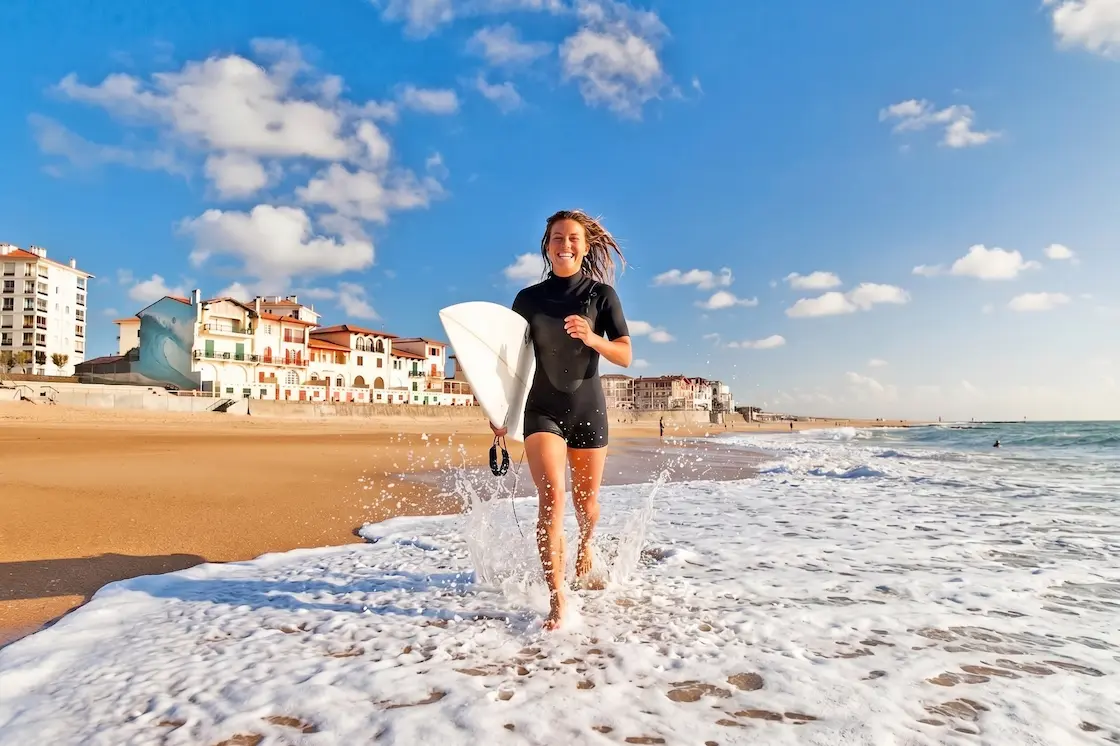
Surfing
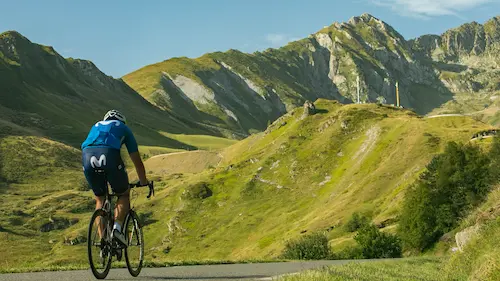
Road Cycling
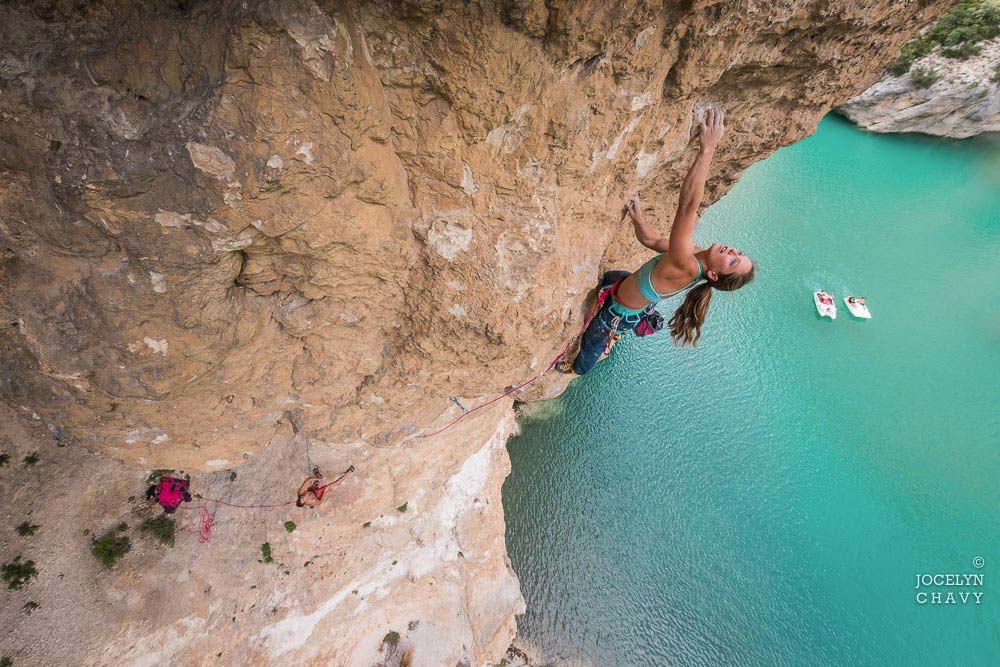
Climbing
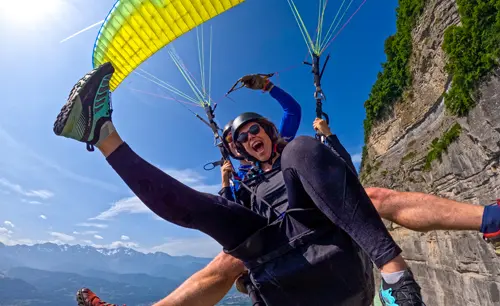
Paragliding
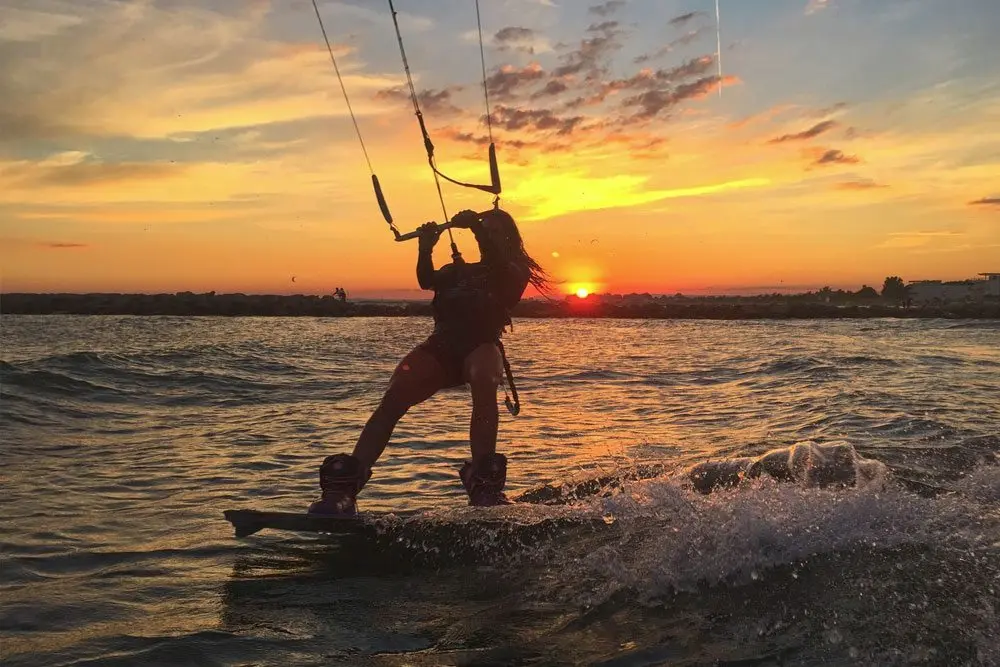
Kitesurfing
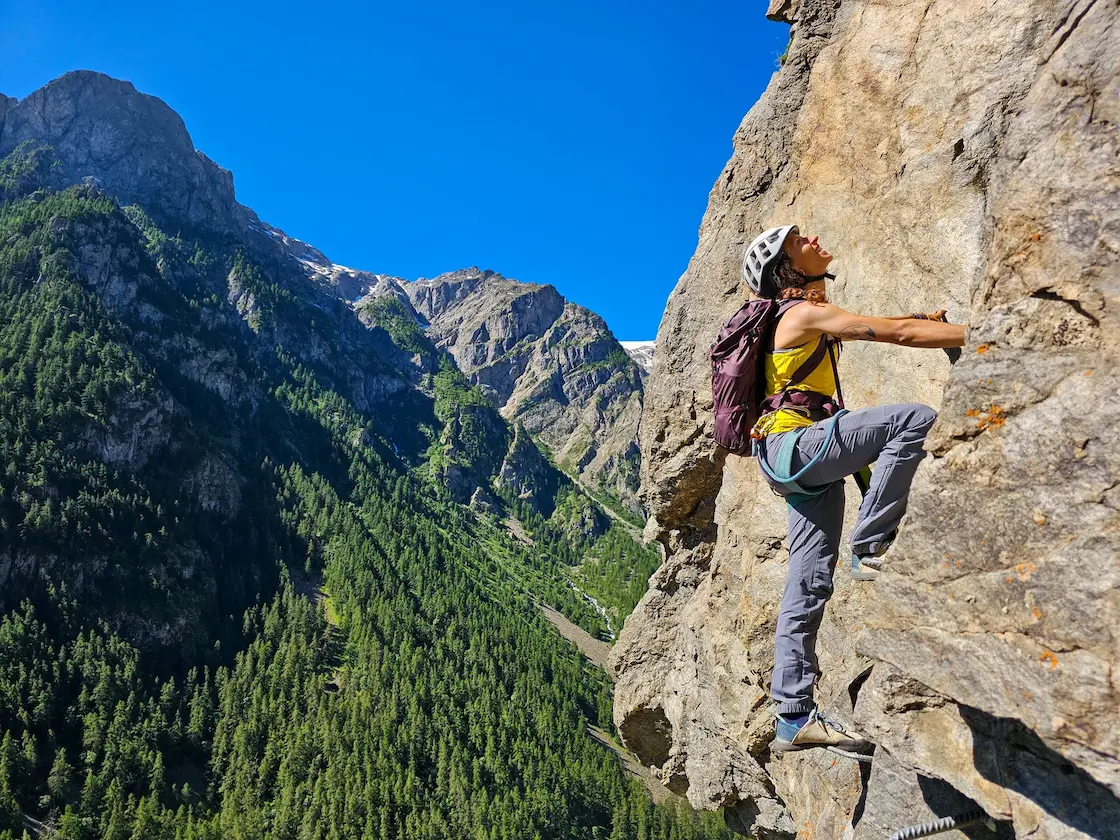
Via Ferrata
FREQUENTLY ASKED QUESTIONS
It depends on the activity. The French Alps are unmatched for skiing, mountaineering and lift-served mountain biking. The Atlantic Coast delivers world-class surf and 200+ km of cycling through pine forest. Provence is a road and gravel cycling paradise. The Pyrenees offer wilder, quieter hiking on the GR10. The Côte d’Azur is the only region that pairs sea kayaking with 3,000 m peaks within an hour’s drive.
Mid-December to early April for skiing and snowboarding in the Alps and Pyrenees. June to September for hiking, mountain biking and road cycling. April to October for surfing on the Atlantic Coast — September delivers the most powerful, consistent waves. May, June and September are the sweet spots for combining good weather with low crowds across most regions.
Yes. France’s outdoor infrastructure is world class — well-marked trails, lift networks, surf schools, bike hire and English-speaking guides are widely available across all five regions. Family-friendly bases like Morzine, Saint-Lary-Soulan and Lacanau make a soft introduction to mountain or coastal sport.
Eurostar runs direct to Paris, Lyon and (seasonally) the Alps. Ferries from Dover, Portsmouth and Plymouth serve southern and western France via long drives. Flights run year-round to Geneva and Lyon (Alps), Biarritz and Bordeaux (Atlantic Coast), Nice (Côte d’Azur), Marseille (Provence) and Lourdes-Tarbes or Toulouse (Pyrenees).
No. English is widely spoken in major resorts, surf towns and mountain hubs. Off the beaten path — small Pyrenean villages, rural Provence — a few words of French go a long way and improve the experience. Knowing basics for restaurants, transport and emergencies is recommended but rarely essential.
The French Alps host the largest linked ski areas on the planet — Portes du Soleil, Three Valleys, Paradiski and Espace Killy. Chamonix is the global capital of off-piste and ski mountaineering. The Pyrenees are smaller, quieter and significantly cheaper, with Saint-Lary-Soulan the largest resort in the range.
The Atlantic Coast — specifically the South West between Bordeaux and the Spanish border. Hossegor is the surfing capital of Europe with heavy beachbreaks; Biarritz delivers gentler, more varied waves at the heart of Basque culture; Lacanau offers wide, mellow beaches that are ideal for learning.
Please leave a comment below if you need specific advice for your active holiday in France, or if you have any recommendations to help us improve this page. Bonnes vacances!