
The French Alps demand proper gear. At 2500 m on the Col de la Seigne, when a summer thunderstorm rolls in and the temperature drops 15 degrees in twenty minutes, you need a layering system that works — not fashion, not brand loyalty, but tested technical kit that performs when conditions turn. Arc’teryx builds the best alpine hiking gear in the world, and we have curated a selection specifically for the routes and conditions you will face in the French Alps.
Whether you’re hiking the TMB in driving rain, crossing the Écrins in early-season snow, or trekking the GR58 through Queyras thunderstorms, this page breaks down the Arc’teryx pieces that earn their place in your pack. The gear guide is organised by the layering system that keeps you comfortable, dry, and moving through whatever the Alps throw at you. Every recommendation links directly to the Arc’teryx UK store. Note – we earn a commission on purchases made through our links, at no extra cost to you.
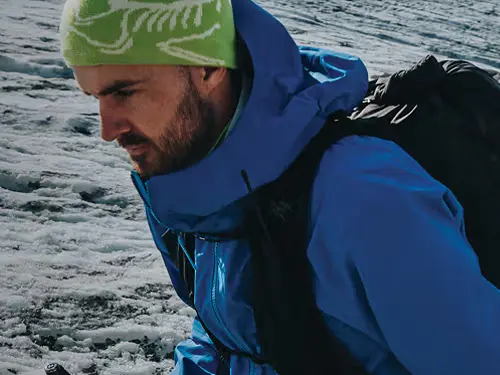
Shell Jackets
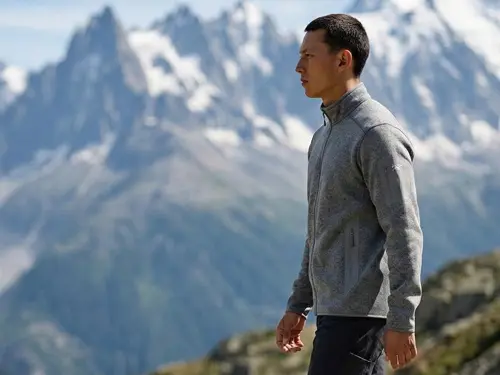
Insulation Layers
Your First Line of Defence
The Beta AR Jacket is Arc’teryx’s flagship shell — 3-layer GORE-TEX PRO ePE with 100D fabric on the shoulders where your pack does the damage, and a lighter, more breathable weave on the body. Helmet-compatible DropHood, RECCO reflector, 455g. The one jacket that covers every alpine scenario in France.
The Beta Jacket delivers GORE-TEX ePE protection in a lighter 395g package — the smarter pick for summer TMB stages. The Squamish Hoody (128g) is your always-in-the-pack wind shell for col crossings and exposed ridgelines.
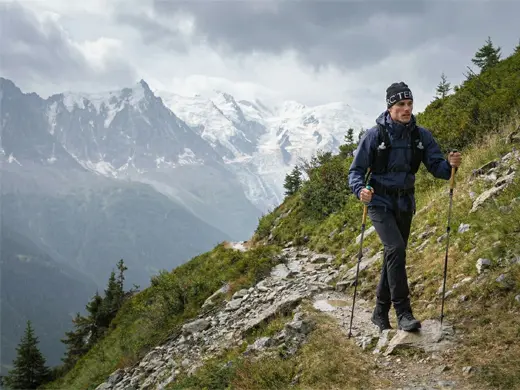
The Alpine Layering System
Warmth When It Counts
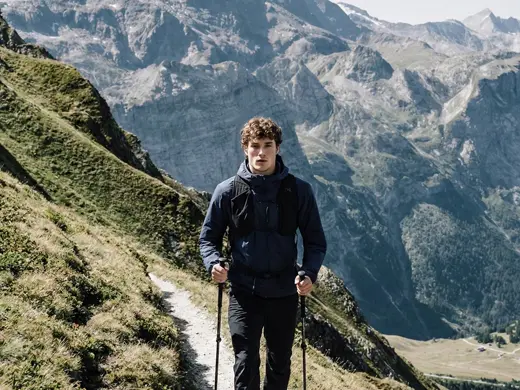
The Cerium Hoody weighs 338g with 850-fill down — serious warmth for almost no weight. Cold mornings leaving a refuge at 2500 m, summit stops on the Fenêtre d’Arpette, evening beers at Lac Blanc. This is the layer that makes those moments enjoyable.
The Atom Hoody is the synthetic alternative that performs when wet. The Proton Hoody is for active use — air-permeable fabric that breathes during sustained effort in cold air.
Built for Mountain Days
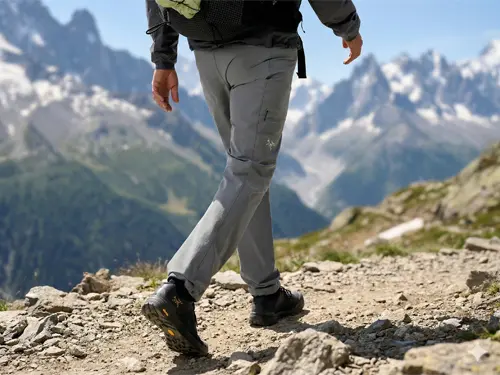
The Gamma Pant is the default hiking trouser for the French Alps. Fortius DW 2.0 softshell that resists wind and light rain while stretching in every direction — scrambling on the GR54, navigating via ferrata ladders, walking into Chamonix for dinner afterwards. Built-in belt sits comfortably under a pack hipbelt. The single best investment in hiking legwear.
The Gamma SL is a cooler option for summer. And, the Beta Pant is your GORE-TEX waterproof shell for genuine foul weather — sideways rain, October sleet, early-season snow traverses.
Carry Systems for Alpine Trekking
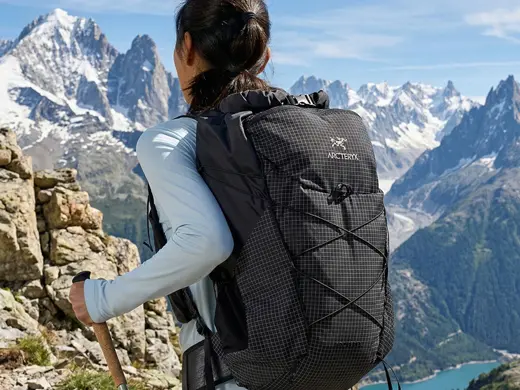
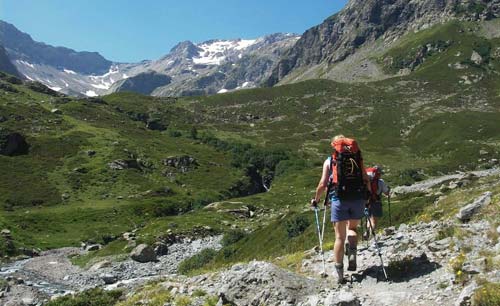
The Aerios 35 backpack (pictured) is purpose-built for hut-to-hut routes. Interchangeable hipbelts and adjustable shoulder straps give you a personalised fit — the kind of detail that matters on day 6 of a 10-day trek. Grid pack fabric is ultralight but tough, with a DWR finish that sheds rain before it soaks through.
The Aerios 18 backpack is the day-hike version — same build quality and harness ergonomics for Lac Blanc, Lac d’Allos, or a quick summit from Chamonix.
Alpine Conditions Gear Index
The French Alps present different gear demands depending on when and how you are hiking. Here is what to prioritise for each scenario — every piece links directly to the Arc’teryx store.
Early Season (June) — Snow Patches & Cold Mornings
Above 2500 m, you will encounter snow patches well into June. Mornings are cold, afternoons warm quickly. The GR54 and higher TMB variants are most affected. Pack: Beta AR Jacket + Cerium Hoody + Gamma Pant + Beta Pant (for wet conditions and snow traverses). Gaiters recommended. The Beta AR’s helmet-compatible hood doubles as protection when using trekking poles on steep snow.
Summer Thunderstorms (July to August)
Alpine thunderstorms are the defining weather event of the French Alps summer. They build fast — often between 1pm and 4pm — and bring lightning, hail, and dramatic temperature drops. Exposed cols and ridgelines become dangerous. Pack: Beta Jacket (lighter than the AR for summer carry) + Atom Hoody (quick warmth if temperature drops 15 degrees C in 20 minutes) + Gamma SL Pant. Be off exposed ridges by early afternoon.
Autumn Cold Snaps (September to October)
The best hiking weather in the French Alps often comes in September — clear skies, fewer people, golden larch forests. But cold fronts arrive without much warning, and snowfall above 2000 m is normal from mid-October. Pack: Beta AR Jacket + Proton Hoody (active warmth for cold mornings) + Cerium Hoody (static warmth at refuges) + Gamma Pant + Beta Pant.
Shoulder Season — Late May & November
For experienced hikers pushing the season. Refuges may be closed, trails may be snow-covered, and conditions are genuinely alpine. Pack: Full system — Beta AR + Cerium + Proton + Gamma + Beta Pant. Consider mountaineering-rated kit beyond this page’s scope.
Fastpacking
Covering the TMB in 4 days instead of 10 or running the GR58 in a long weekend demands ultralight, breathable kit. Every gram counts. Pack: Squamish Hoody (wind protection, 128g) + Proton SL Hoody (minimal insulation for stops) + Gamma SL Pant + Aerios 18 Backpack. The Beta Jacket if you need a waterproof.
Hut-to-Hut Trekking
The classic French Alps experience — 5 to 10 days on a GR route, sleeping in refuges, carrying a 30 to 35L pack. Pack: Beta AR or Beta Jacket (depending on season) + Atom Hoody + Cerium Hoody + Gamma Pant + Aerios 35 Backpack. The Atom handles day-to-day temperature regulation; the Cerium is your refuge/evening warmth.
Where to Wear It
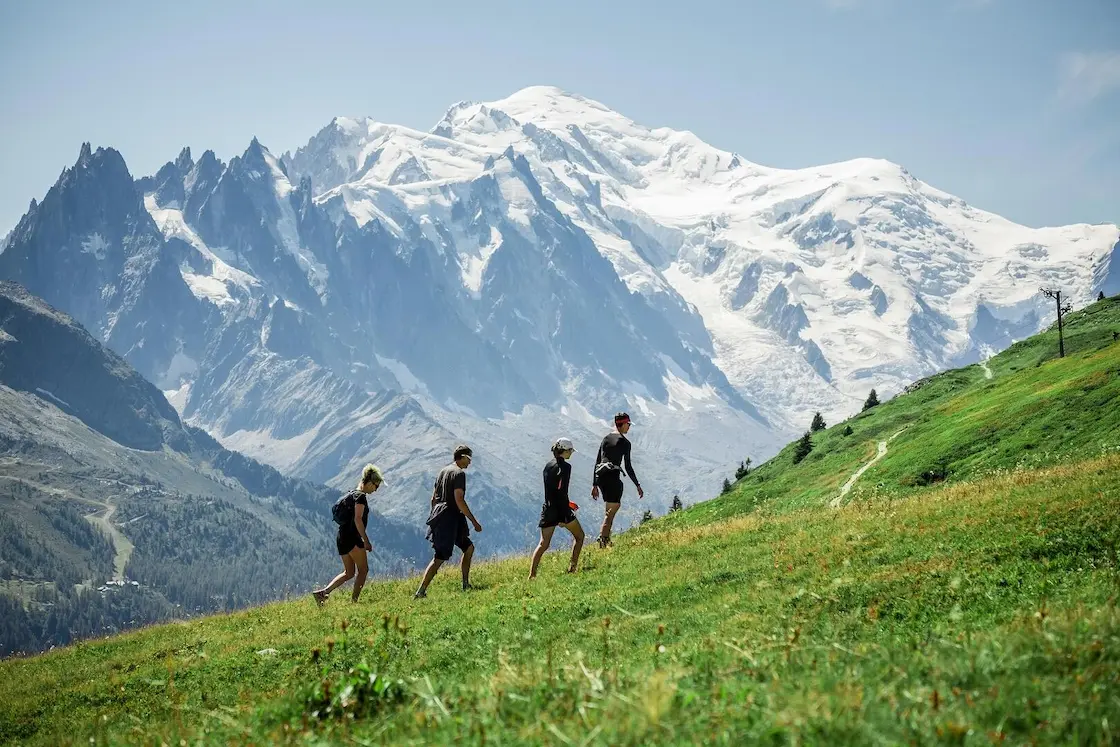
These are the multi-day hiking routes where technical gear earns its keep — high passes, exposed ridgelines, and weather that changes by the hour. Each guide covers everything you need to plan your trip.
Tour du Mont Blanc
Tour des Ecrins (GR54)

Tour du Queyras (GR58)
Planning a multi-day hike in the French Alps and not sure which kit to prioritise? Leave a comment below and we’ll do our best to give you specific advice based on your route and timing.