Join us on

Chamonix

A Thrill-Seeker’s Guide to the Mont Blanc Valley

Explore Activities

ESSENTIAL EXPERIENCES | SUMMER | WINTER | BOOK AN ACTIVITY | ACCOMMODATION | APRÈS | PRACTICAL INFO | FAQ

Chamonix sits in a valley at 1,035 m surrounded by the most spectacular scenery in the French Alps. Huge 4,000 m peaks jut skyward and glaciers tumble down gullies between the icy spikes of the mighty Mont Blanc — at 4,808 m, the highest summit in western Europe.

The town is the undisputed adventure capital of the Alps. Skiers, climbers, hikers, mountain bikers, paragliders and trail runners arrive in their droves to explore the endless terrain of the Mont Blanc massif. Home to the Compagnie des Guides — founded in 1821 and the oldest guiding company in the world — Chamonix has been at the heart of Alpine adventure for over two centuries.

However you like your sports, your après and your lodgings, Chamonix activities cover every season and every level of ambition. From the iconic Vallée Blanche ski descent and 350 km of marked hiking trails to tandem paragliding over glaciers and white-water rafting on the Arve — if you’re looking for thrills, this valley won’t disappoint.

Essential Experiences

Some experiences define Chamonix regardless of the season. Whether you’re here to ski, hike or climb, these three should be at the top of your list.

Aiguille du Midi
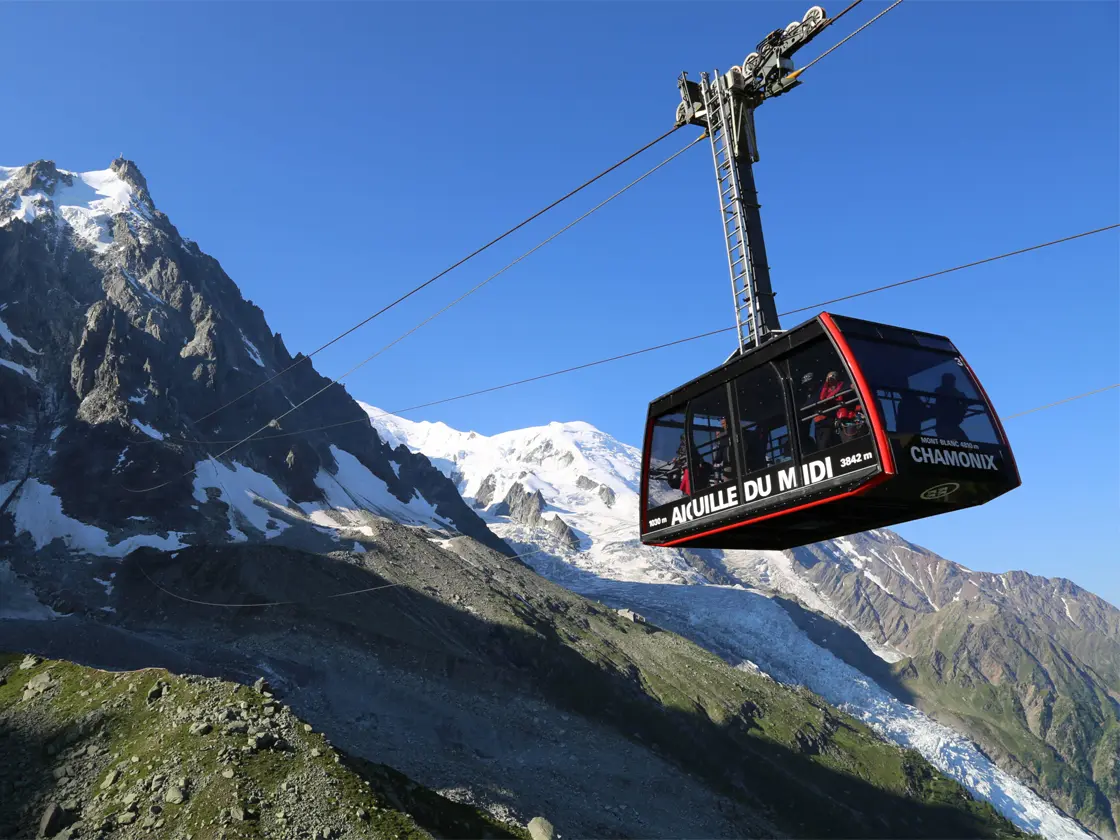
The highest cable car in France whisks you from 1,035 m to 3,842 m in 20 minutes. At the top you step out onto a platform with a 360-degree panorama of the Mont Blanc massif, the Matterhorn on a clear day, and — if you’re brave enough — the Pas dans le Vide glass box suspended over a 1,000 m drop. A return ticket costs approximately €72. Dress warm — even in July it can be well below freezing at the summit. From here you can also access the Panoramic Mont-Blanc telecabin across to Helbronner on the Italian side.
Go
Aiguille du Midi Cable Car in Chamonix
Aiguille du Midi cable car © Get Your Guide

Mer de Glace & Montenvers

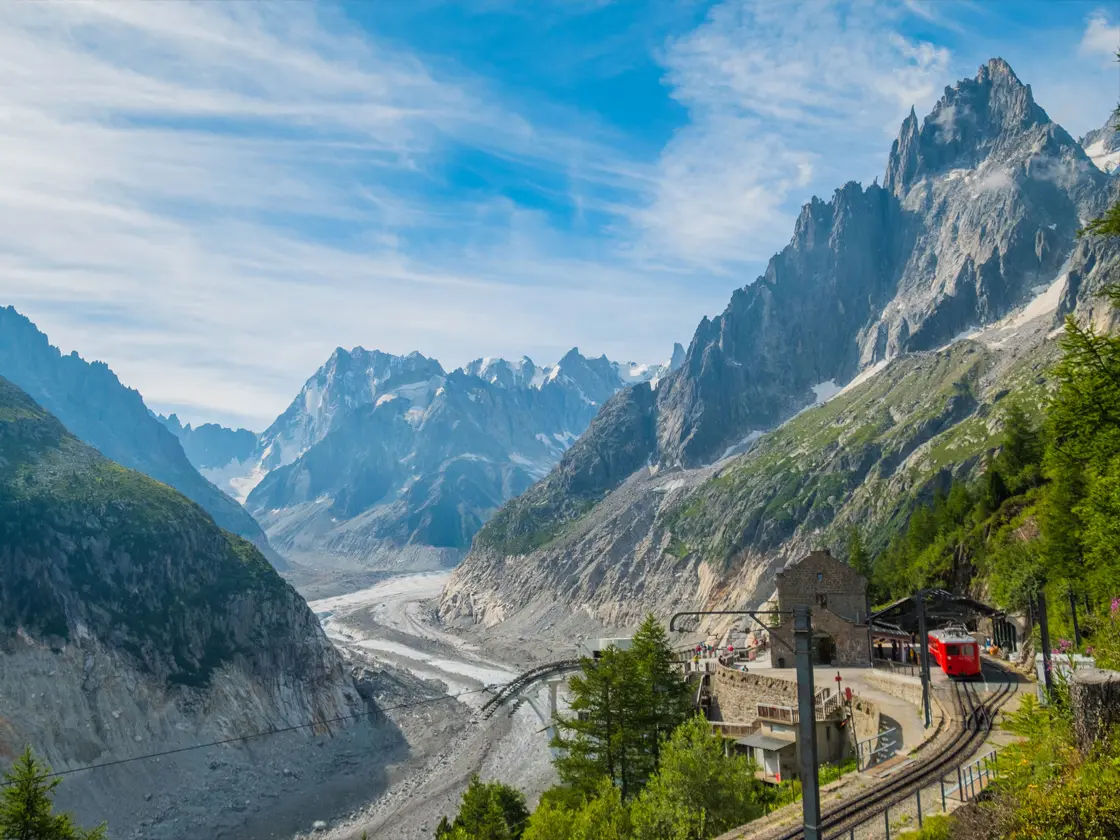
The Montenvers rack railway — built in 1909 — climbs 870 m from Chamonix station to the historic terrace overlooking France’s largest glacier. A return ticket costs approximately €40. From the terrace you descend over 500 steps (a number that grows every year as the glacier retreats) to reach the ice grotto carved fresh each season. The Glaciorium exhibition explains the science behind the retreat — sobering and essential viewing. Allow a half-day, or combine with a hike back down through old-growth forest to Chamonix.
Go
The Mer de Glace glacier seen from Montenvers, Chamonix

Book a Guide

Whether it’s mountaineering, off-piste skiing, glacier walking, rock climbing or canyoning, you’ll be safer and have far more fun with a qualified guide. Chamonix has the deepest pool of mountain guiding talent in the Alps — from the historic Compagnie des Guides, founded in 1821, to dozens of independent UIAGM-qualified professionals. Your guide will draw on years of local knowledge to tailor the route to your group’s ability and the conditions on the day. If you’re doing anything in high mountain terrain, it’s the single best investment you can make.
Compagnie des Guides de Chamonix mountaineering

Summer Activities in Chamonix

When the snow melts, Chamonix transforms into one of Europe’s greatest outdoor playgrounds. Lifts reopen from mid-June to mid-September, unlocking 350 km of hiking trails, lift-accessed mountain biking, paragliding thermals that rival anywhere in the Alps and white-water that runs cold and fast off the glaciers. The valley sits between 800 m and 4,810 m — whatever your sport, the vertical is extraordinary.

Hiking
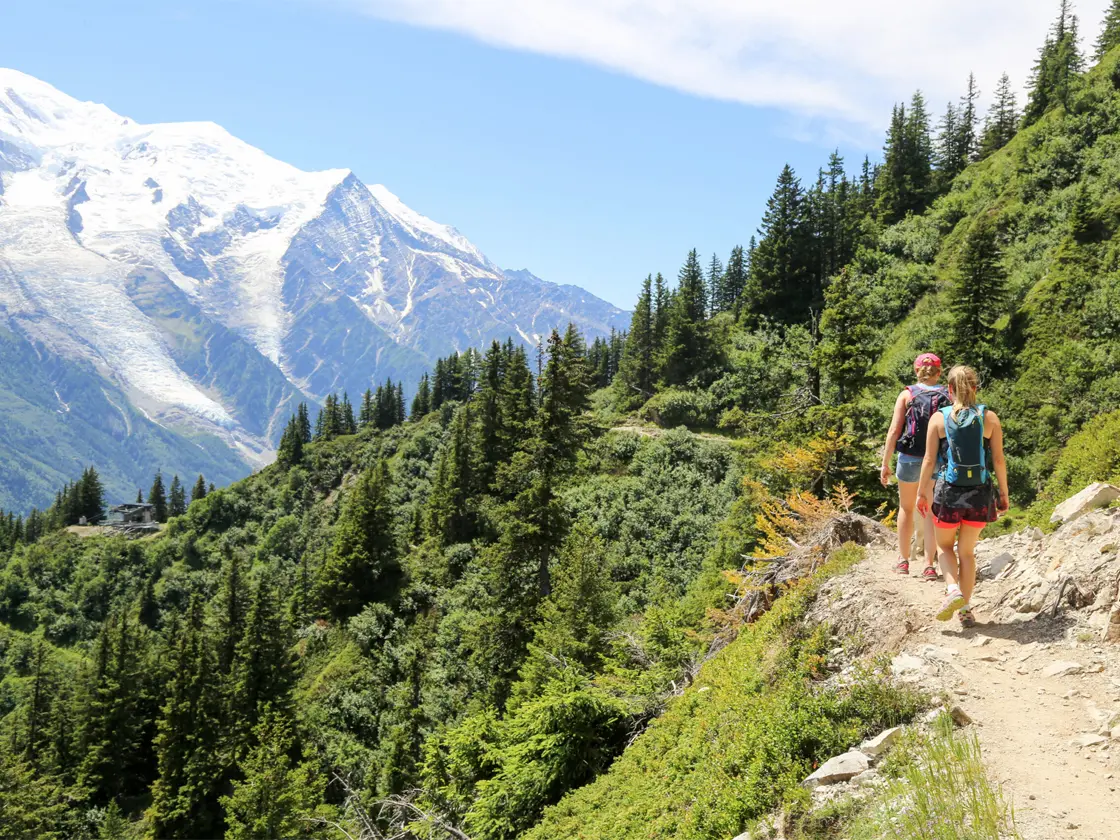
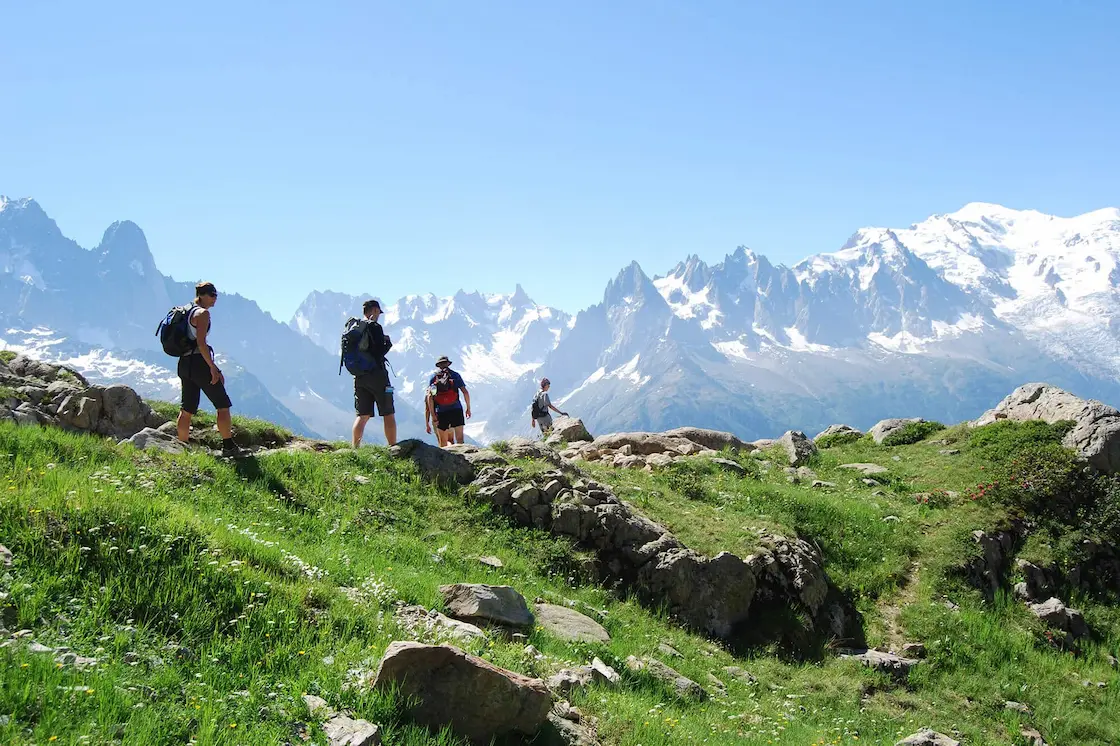
Chamonix has 350 km of marked trails across two massifs — the granite ridges of the Aiguilles Rouges to the north and the glacier-draped Mont Blanc massif to the south. Day hikes range from the family-friendly Gorges de la Diosaz to the demanding climb to Lac Blanc at 2,352 m with its jaw-dropping reflection of the Aiguilles. The cable cars and Montenvers railway shortcut up to 1,000 m of climbing, making high-altitude terrain accessible without an alpine start. For multi-day routes, the Tour du Mont Blanc starts and finishes right here.
Hiking the Grand Balcon Sud in Chamonix

Mountain Biking

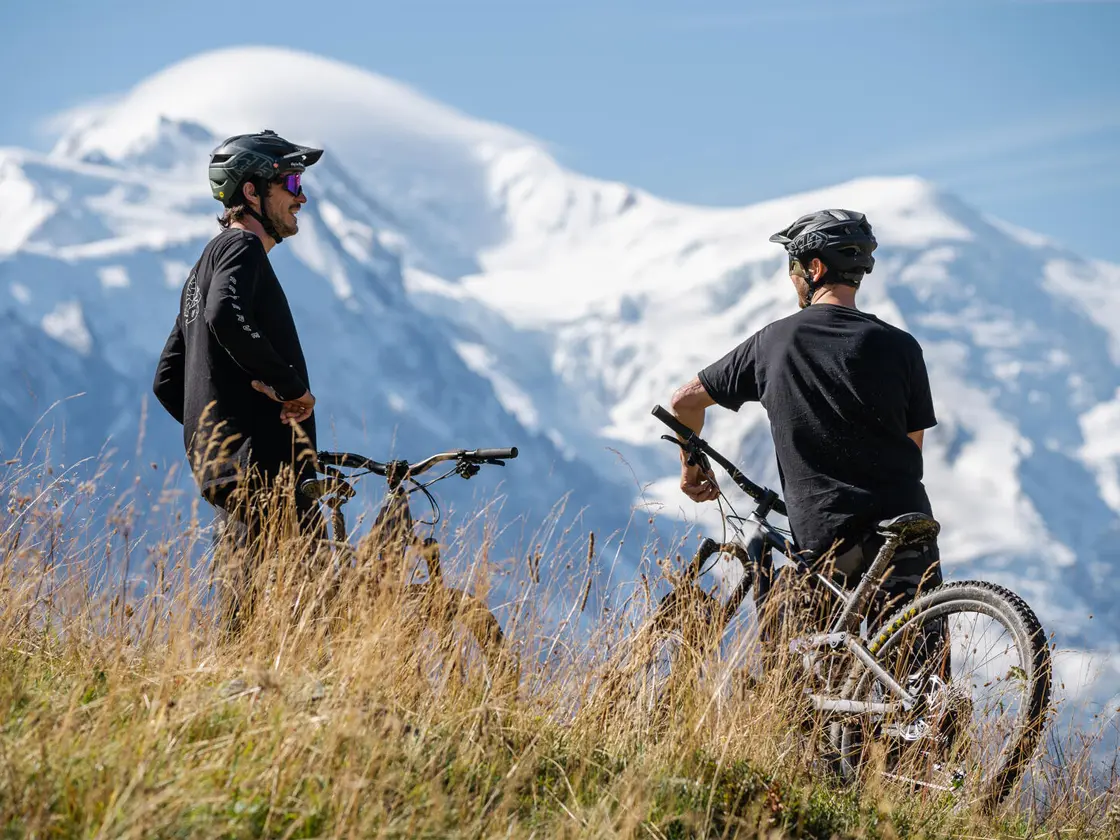
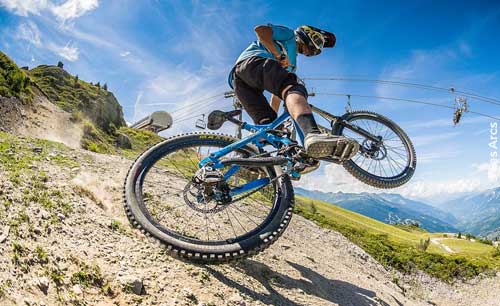
Riding in Chamonix means classic singletrack with steep rocky sections, fast flowing traverses and a big mountain backdrop that never gets old. The Brévent and Flégère side of the valley has the highest concentration of downhill tracks. Le Tour offers open, fast trails, while Les Houches has freeride tree runs with jumps, drops and berms. XC riders can pick up the Petit Balcon Sud trail and ride the valley floor without a lift pass. For a multi-day epic, the Tour du Mont Blanc by bike is a 160 km, 4–5 day circuit through three countries.
Mountain biking in Chamonix with Mont Blanc view
Mont Blanc MTB © OT Chamonix

Paragliding

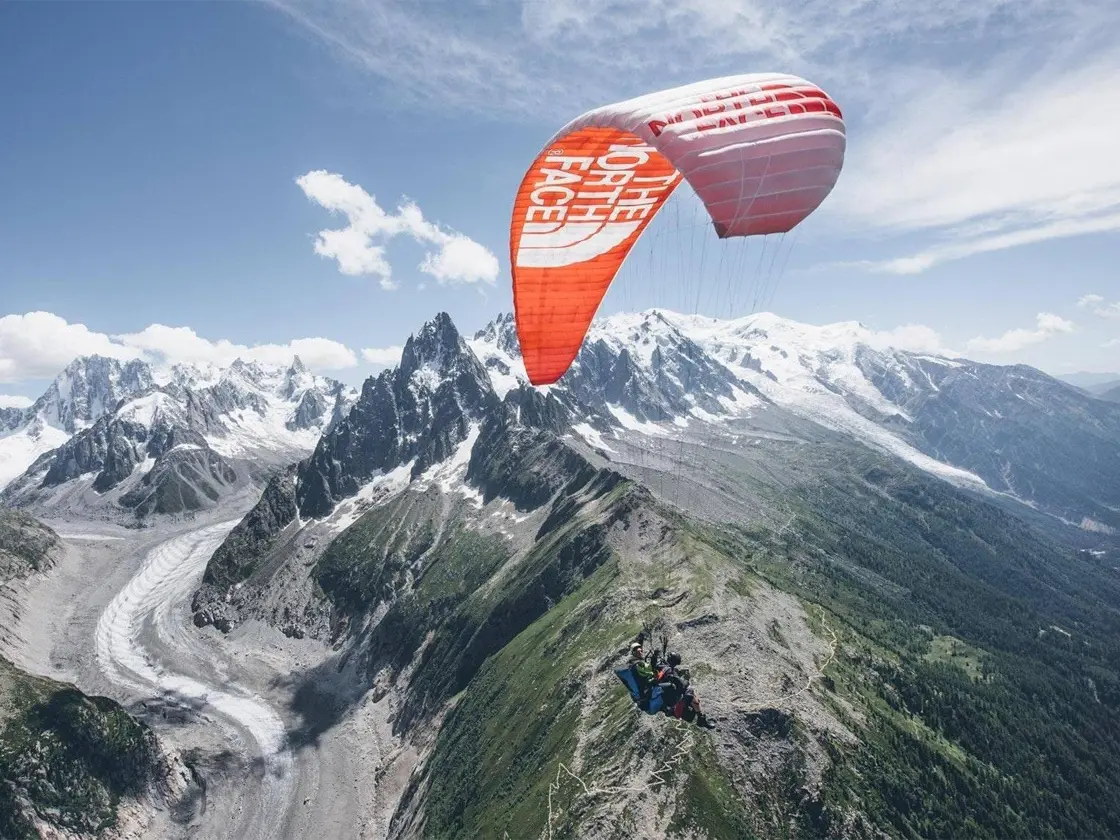
Chamonix is one of the best flying sites in Europe. Big thermals driven by the temperature difference between glacier and valley floor, plus the dramatic scenery, make it a bucket-list destination for paragliders. Tandem flights require zero experience and are available year-round. The most popular launch is Planpraz at 2,000 m, facing Mont Blanc — flights cost approximately €100–150 plus a one-way lift ticket (€13.50). For something more serious, the Grands Montets high-mountain flight launches from 3,350 m over the glaciers (€180 + lift). Speed riding — a combination of paragliding and skiing — is available in winter.
Tandem paragliding over Chamonix with Mont Blanc views
Tandem paragliding in Chamonix © Get Your Guide

Rock Climbing & Via Ferrata

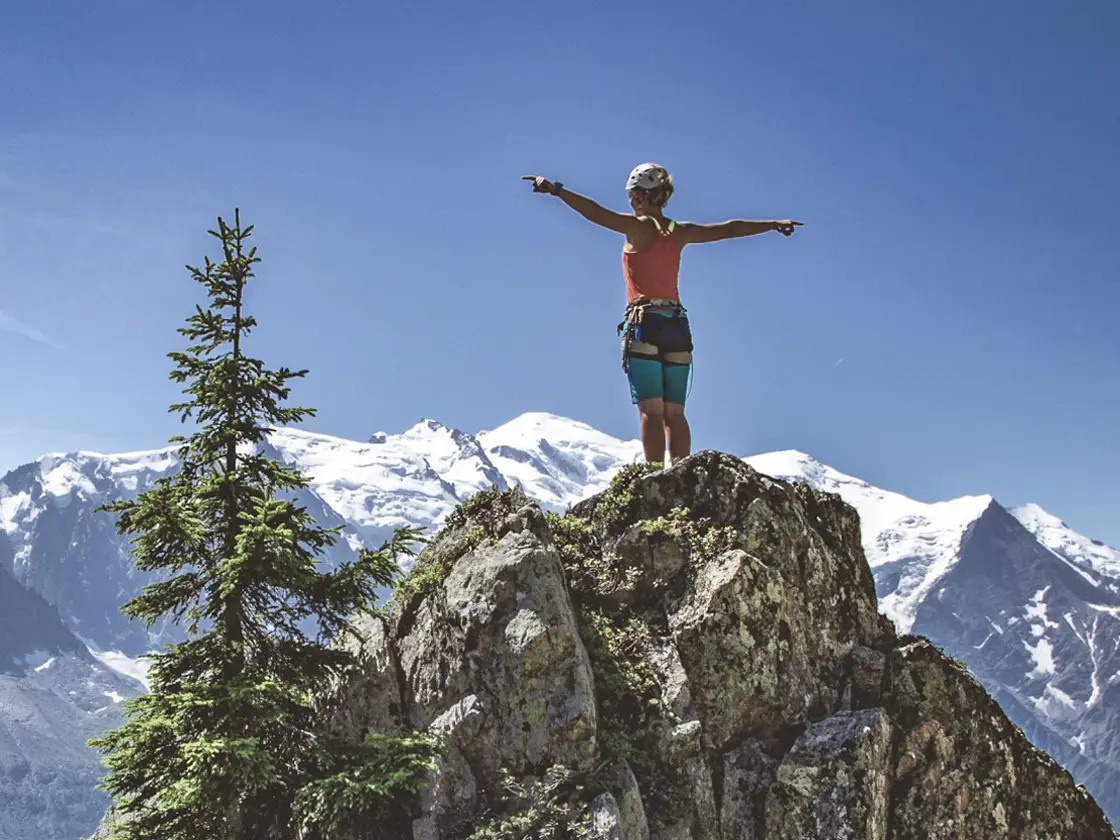
The granite walls around Chamonix have drawn climbers since the sport began. Les Gaillands — just 5 minutes from the town centre — is a bolted sport crag with routes for every level, from complete beginners to solid 7a+ climbers. The bouldering at Les Gaillands lake is free and fun. For something between hiking and climbing, the Via Ferrata des Evettes above Les Houches offers iron ladders, cable bridges and exposed cliff traverses with spectacular views of the Mont Blanc massif. It’s accessible to anyone with a reasonable head for heights and a guide can be hired through the Compagnie des Guides.
Go
Via Ferrata in Chamonix with Mont Blanc views
Via Ferrata in Les Houches © Compagnie des Guides

Rafting & White Water

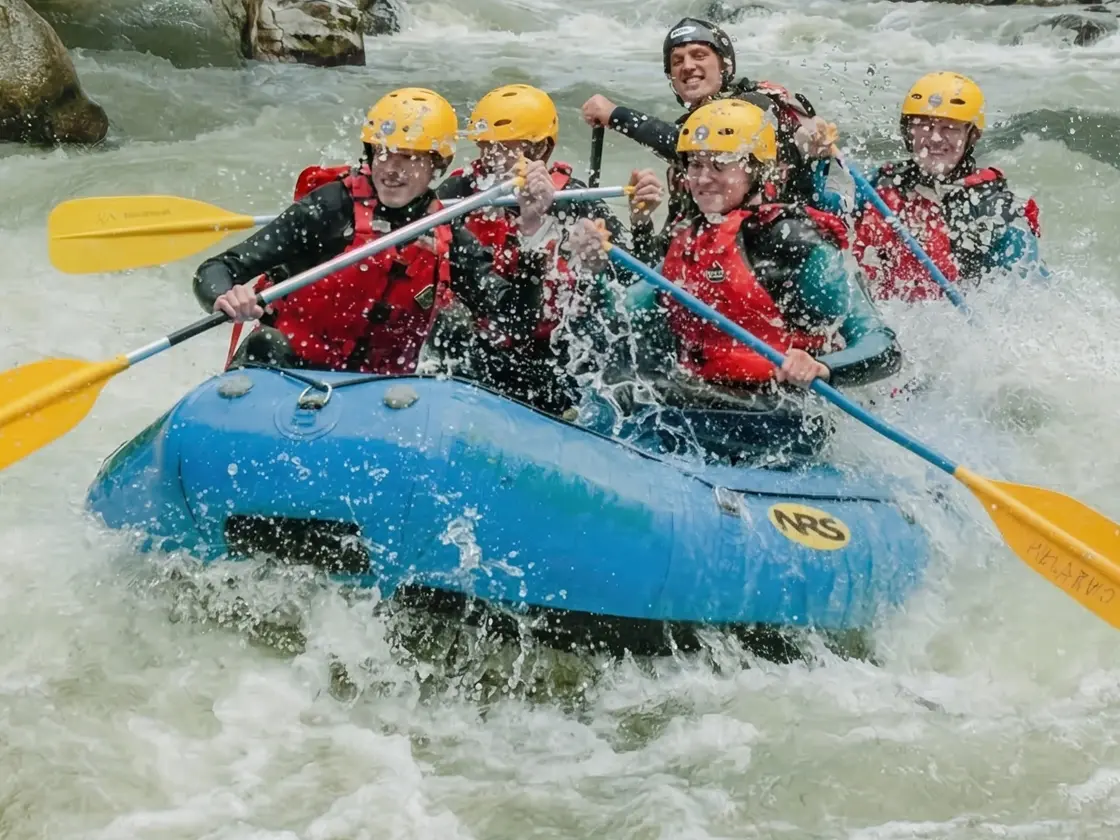
The Arve river runs through the Chamonix valley, fed by glacial meltwater and fast enough to deliver proper white-water thrills. Rafting, hydrospeed (bodyboarding down rapids) and canyoning are all available from June to September, with courses suited to complete beginners as well as experienced paddlers. The gorges of Vallorcine and the torrents of the Trient offer the most dramatic canyoning runs. Expect to get cold — the water comes straight off the glaciers — but wetsuits and all safety gear are provided. Evolution 2 and the Compagnie des Guides both run regular outings. Book through Get Your Guide.
White water rafting on the Arve river in Chamonix valley
Rafting the Arve river in Chamonix © Compagnie des Guides

Trail Running & UTMB

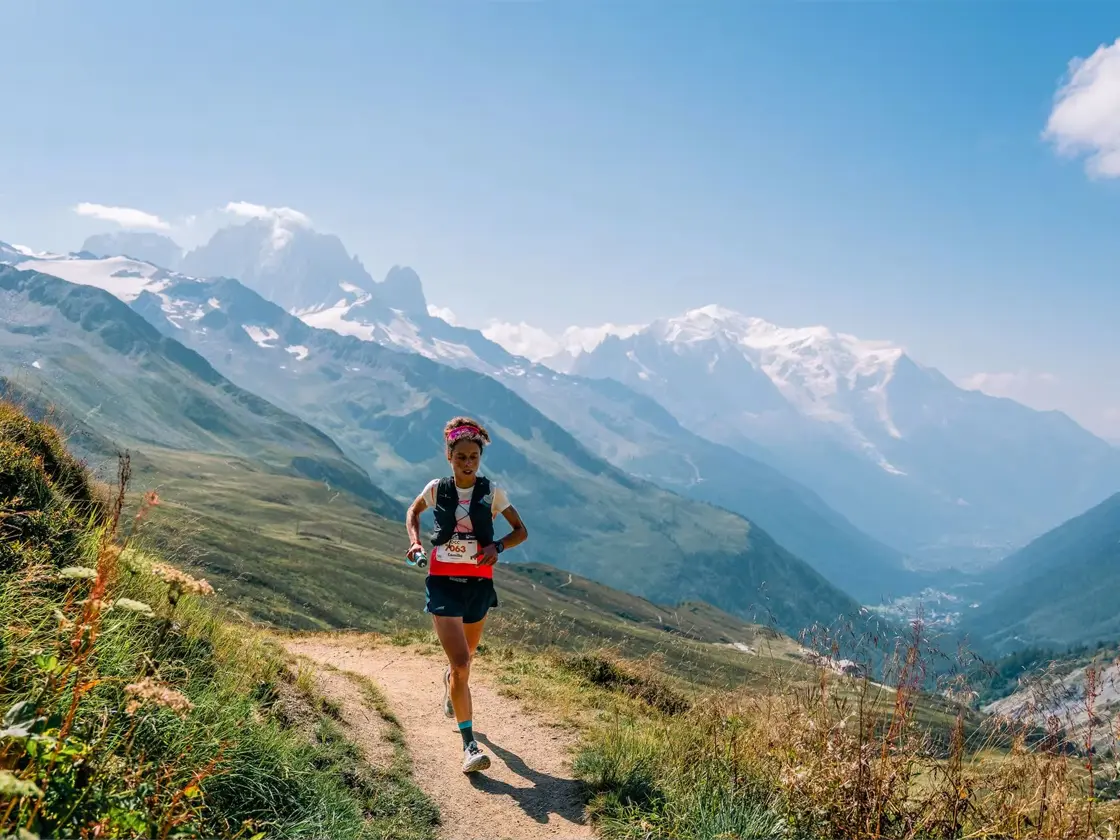
Chamonix is the spiritual home of trail running. Every gradient you could want — from flat valley paths to relentless 1,500 m vertical climbs — is within a few minutes of the town centre. The valley plays host to the Ultra-Trail du Mont-Blanc (UTMB) every late August or early September, the world’s most prestigious ultra-trail race. The flagship 171 km course circumnavigates the entire Mont Blanc massif with 10,000 m of elevation gain. The Marathon du Mont-Blanc in June is another major event. Even if you’re not racing, the trails that the pros train on are open to everyone.
Go

Mountaineering

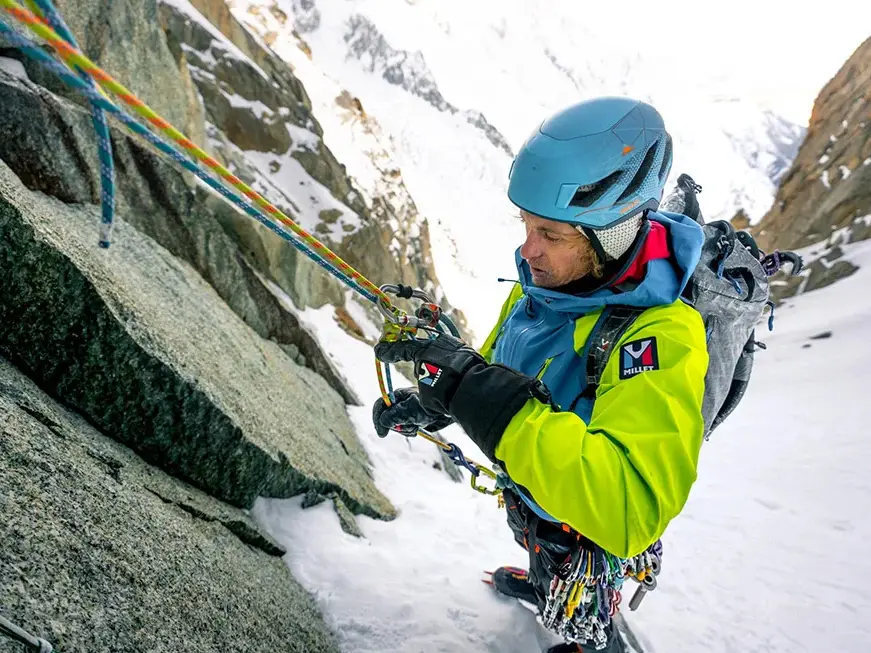
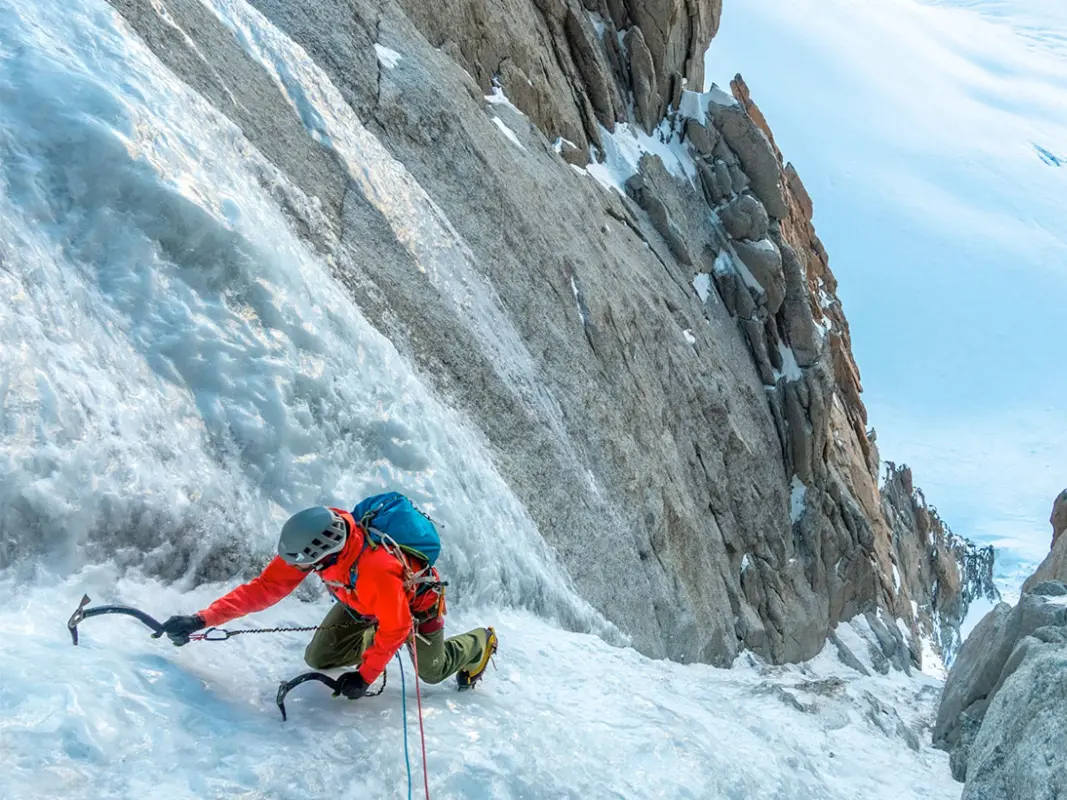
Chamonix is the birthplace of alpinism. The first ascent of Mont Blanc in 1786 launched the entire sport, and the valley remains the most important mountaineering centre in the Alps. The Mont Blanc ascent — typically a 2–3 day expedition via the Goûter route — is the prize, but the valley offers everything from introductory glacier walks to the Cosmiques Arête and the granite spires of the Aiguilles. A guide is essential for any glaciated terrain. The Compagnie des Guides runs courses from half-day glacier introductions to multi-day alpinism programmes.
Go
Mountaineering on Mont Blanc from Chamonix
Ice climbing on Mont Blanc © chamonix.net

Winter Activities in Chamonix

Chamonix is the real deal — big mountain terrain, steep pistes and some of the most iconic off-piste and backcountry skiing in the world. Five distinct ski areas stretch along the valley, connected by a free ski bus. The season runs from early December to late April, with the best snow conditions typically from January to March.

Skiing & Snowboarding
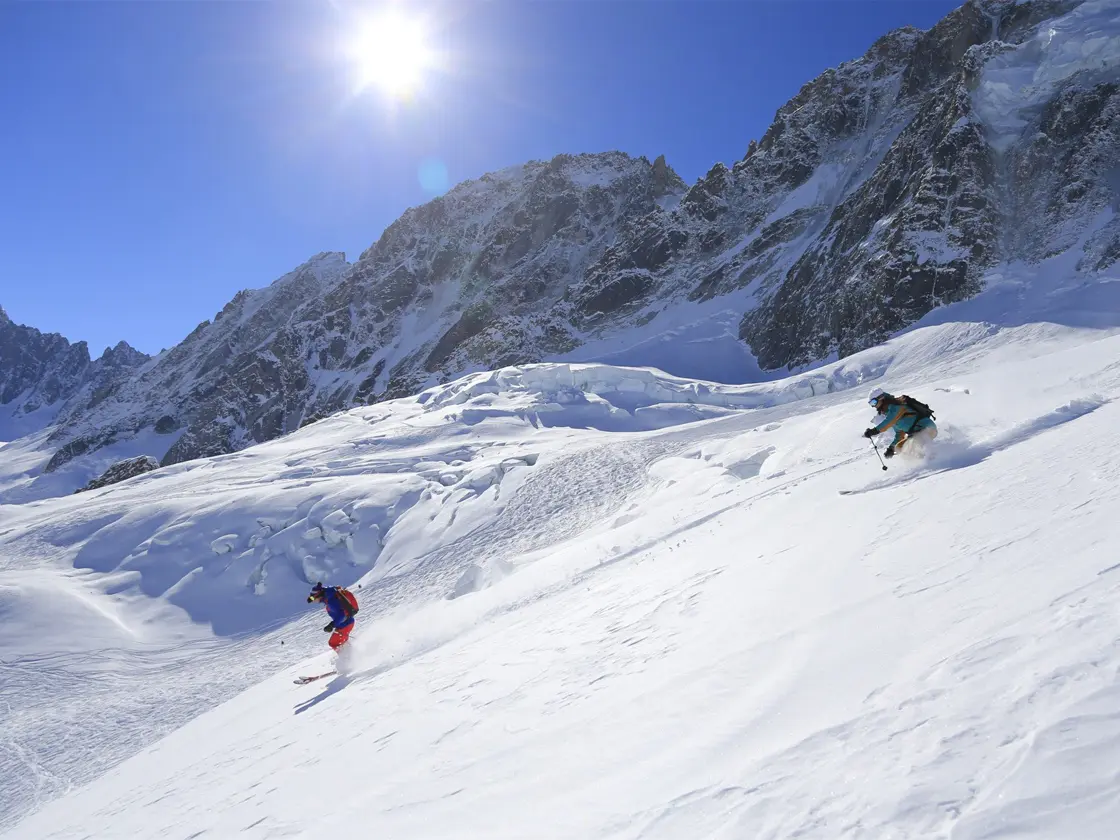
Five ski areas make up Chamonix — Brévent-Flégère, Grands Montets, Le Tour-Balme, Les Houches and Domaine de Balme — with 170 km of on-piste skiing. The terrain is steep compared to most big-name resorts; a blue run here could easily be a black elsewhere. Brévent-Flégère is south-facing and great for mixed-ability groups. Les Houches and Le Tour suit beginners and intermediates. The Grands Montets is where serious skiers go to play. Snowboarders will find excellent freeriding and a snowpark at the Grands Montets.
Skiing the Grands Montets in Chamonix
Skiing Les Grands Montets © OT Chamonix

Off-Piste & Backcountry

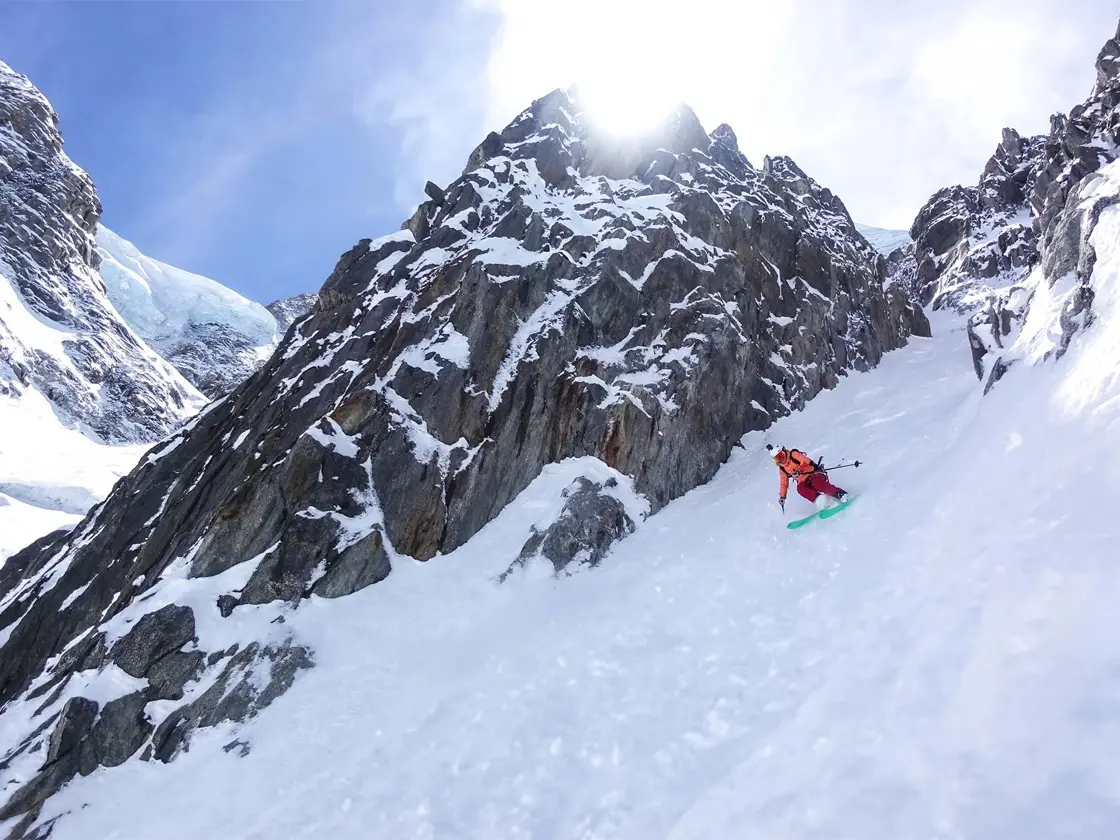
This is what Chamonix is really about. With over 500 km of off-piste terrain, the valley offers some of the best freeriding on the planet. The Grands Montets provides lift-accessed couloirs and powder fields. The Aiguille du Midi opens up high-altitude descents for expert skiers. Ski touring is huge — guides lead early-morning ascents to remote cols before descents on virgin snow. If you’re a strong intermediate or above and you’ve never skied off-piste, Chamonix with a guide is the place to start.
Go
Skiing the NE couloir of Aiguille Noire
Johanna Stalnacke skiing Aiguille Noire © Tom Grant

The Vallée Blanche

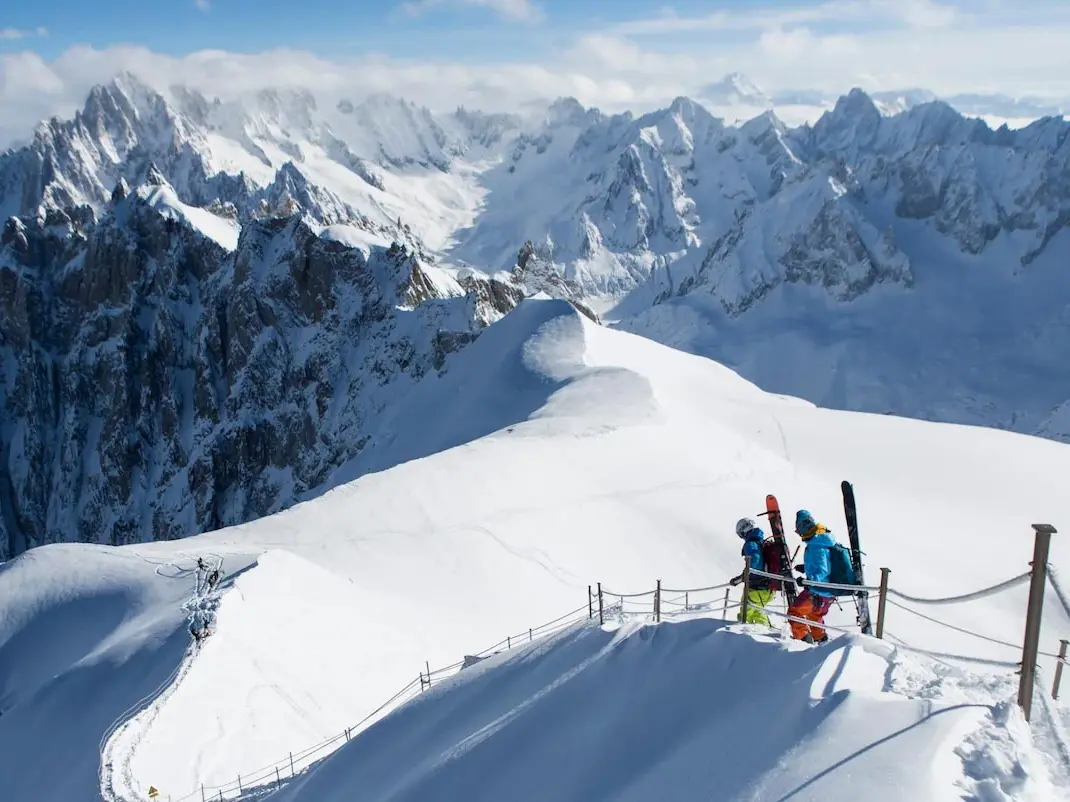
The Vallée Blanche is a 23 km ski descent covering 2,800 m of vertical drop from the Aiguille du Midi (3,842 m) back to Chamonix (1,035 m). It’s the most famous off-piste run in the world and — with a guide — accessible to confident intermediates. The classic route would be graded red if it were in a resort. Allow 4–6 hours for the full descent, including the notorious arête ridge walk at the top. A guided trip costs approximately €300 per group of 1–4 people. If you’re in Chamonix and you’re a good intermediate skier, this is a must.
Go
Hiking down to the start of the Vallée Blanche ski descent from the Aiguille du Midi lift station
Arête ridge on the Vallée Blanche © Patrik Lindqvist

Book an Activity in Chamonix

From tandem paragliding over the glaciers to guided glacier walks, rafting on the Arve and the iconic Vallée Blanche ski descent — you can book many of Chamonix’s best experiences directly online. We’ve picked a few favourites below, or browse the full range of Chamonix activities on GetYourGuide.

We earn a commission on bookings made through our partner links, at no extra cost to you.

Tandem Paragliding over Chamonix — Soar above the valley with views of Mont Blanc and the glaciers. No experience needed. From €100.

Guided Glacier Walk — Step onto the ice with a qualified guide for a half-day introduction to glacier travel on the Mer de Glace or Bossons glacier.

Rafting on the Arve — Fast, cold, glacial white-water through the Chamonix valley. All equipment provided. Suitable for beginners and families.

Where to Stay in Chamonix

The variety of accommodation in Chamonix reflects the diversity of visitors. From luxury chalets with hot tubs and views of the Aiguilles to budget hostels popular with climbers and seasonaires, the valley has something at every price point. The full-time population of around 9,000 swells to nearly 100,000 in peak season, so booking early — especially for February, March and August — is essential.

For skiing, stay in Chamonix centre or Les Houches for easy lift access. Argentière is quieter and closer to the Grands Montets. For summer activities, Chamonix centre gives you the best access to the cable cars, the Montenvers railway and the widest choice of restaurants and bars. Les Praz is a peaceful alternative with direct access to the Flégère lift.

Après — Eating, Drinking & Relaxation

All that activity during the day produces a lot of hungry people, and the entrepreneurs of Chamonix have responded with a dizzying collection of eateries to suit every budget. For a proper Savoyard experience, you can’t beat a tartiflette or raclette at one of the traditional restaurants in the old town. MBC (Micro Brasserie de Chamonix) serves excellent house-brewed beer and gourmet burgers with live music. Cabane des Praz pairs fine dining with some of the best views of Mont Blanc in the valley.

The best advice for après entertainment is to follow the music. Chamonix is always bustling and you need only step out of your hotel to find the fun. The bar scene centres on Rue des Moulins — lively, unpretentious and open late.

If you’re after something more restorative, the QC Terme spa offers outdoor thermal pools, saunas and treatments with Mont Blanc as the backdrop. It’s become one of the valley’s biggest draws and worth booking in advance, especially in winter.

Practical Info — Planning Your Trip

Here’s the practical information you need to make the most of your visit to Chamonix, from how to get there to lift pass options and the best times for each season.

Getting to Chamonix

The easiest route is to fly to Geneva and drive the 80 km to Chamonix — about 1 hour 15 minutes via the A40 autoroute and the Mont Blanc tunnel approach. Bus transfers run direct from Geneva airport and cost approximately €25 each way. Alternatively, take the Eurostar to Paris and then the TGV to Saint-Gervais-Les-Bains-Le Fayet, about 15 minutes down the valley from Chamonix-Mont-Blanc station. The journey takes around 6 hours during the day, or you can travel overnight.

Because the skiing in Chamonix is dispersed along the valley and not interconnected, having a car (and chains in winter) is genuinely useful. A free ski bus connects the five ski areas, but a car gives you flexibility — especially for accessing trailheads and activity providers in summer.

Lift Passes & Multi-Pass Options

The Mont Blanc Unlimited pass covers all five ski areas plus the Aiguille du Midi cable car and the Montenvers railway. A 6-day adult pass costs approximately €340. If you don’t need the Aiguille du Midi summit access, the Chamonix Le Pass is cheaper at approximately €285 for 6 days. In summer, the Mont Blanc Multipass gives access to all lifts and the rack railway on a daily or multi-day basis — essential if you’re planning to hike from lift stations. Book via chamonix.com for discounts of up to 20%.

Climate & Best Time to Visit

The climate in Chamonix is as extreme as the sports you can do there. At any time of year, weather plays a major role in how much fun you have. Clouds can turn a breathtaking view from the Aiguille du Midi into a whiteout in minutes. Daily weather bulletins are posted at the tourist office and at the Office de Haute Montagne — check them every morning before heading out.

Winter (December–April): The ski season starts in early December and ends late April. January offers the best value on accommodation, hire and lift passes. February and March school holidays are the busiest and most expensive weeks — book well in advance. If early snow arrives in November the authorities may open slopes early, and in good snow years they’ll stay open into mid-May.

Summer (June–September): Lifts typically reopen mid-June and close mid-September (some until early October). July and the first two weeks of August are peak season. September is quieter, often sunnier and arguably the best month for hiking. Valley temperatures range from 15–25°C but it can be near freezing at altitude, so layer up.

Webcams & Maps

Check live conditions before you head out. Our Chamonix webcams page has high-definition panoramic cameras covering the valley from the Mer de Glace glacier to the Grands Montets. For maps, the Chamonix.net maps page has downloadable high-resolution town, valley and piste maps.

2500M CHAMONIX WINGSUIT FLIGHT

Brandon Mikesell takes the line less travelled and soars down Le Brévent, threading his way through trees, rocks, and cliffs along the way.

Tag your Chamonix Instagram pics and clips @ultimatefrance to be featured here!

Bluebird powder day in the Vallée Blanche!

Join pro freeskier Owen Leeper and Max Kilcoyne as they ski off the top of the Aiguille du Midi and down the glacier back to Chamonix.

🎿 @o_leeps | @max.kilcoyne 

#skiing #valleeblanche #chamonix #frenchalps🇫🇷 #ultimatefrance
Snowboarder @arthur_longo gives us the lay of the land out in📍Chamonix, FR 🇫🇷
•
🎥 @reggiejrego
•
#snowboarding #freeride #backcountry #capitasnowboards #chamonix #montblanc #frenchalps #ultimatefrance
Side hit perfection in Chamonix with snowboarder Arthur Longo..!
•
•
🏂 @arthur_longo 
📷 @volcomsnow @oliviergittler 
•
#snowboarding #sidehit #precisionlanding #chamonix #chamonixmontblanc #frenchalps #volcompresents #ultimatefrance
Snowboarder Julien Herry drops into the Vallée Blanche from the Aiguille du Midi..!
•
Rider @picaherry | @goprosnow 
•
#gopro12 #jonessnowboards #jonesouterwear #chamonix #valleeblanche #aiguilledumidi #snowboarding #splitboarding #backcountry #montblanc #frenchalps #ultimatefrance
Super Frenchie, Matthias Giraud, skis off the side of Mont Blanc James Bond style..!
•
•
🎿 @superfrenchieofficial 
📷 @alex_meliss go check him out
•
#chamonix #montblanc #backcountryskiing #basejump #freeski #adventure #jamesbond #frenchalps #ultimatefrance
The day Chamonix was the best place on the planet🌍

🎿 @nikolaischirmer 
Presented by @blackcrows_skis

Filmed by @vetlesevild 
Audio by @larsnilssen 
Grade by @joonasmattila 

#skiing #freerideski #chamonixmontblanc #powderday #frenchalps #ultimatefrance
Simple pleasures in Chamonix..!
•
•
📹 @chamonixmontblanc 
#chamonix #skiing🎿 #offpiste #montblanc #skitouring #backcountry #powderday #frenchalps #france #ultimatefrance
Congratulations to all the athletes who competed in the #UTMB TDS, a 145 km race from Courmayeur to Chamonix with over 9000 metres of elevation gain..! Competitors have a max allowed race time of 44 hours and 10 minutes, which makes anyone who attempts it a superhero!
•
•
#utmbtds2023 #utmb #utmbworldseries #chamonix #frenchalps🇫🇷 #ultimatefranceguide #ultimatefrance #ultrarunning #ultratrail #montblanc #herosjourney

Chamonix FAQ

What is the best time to visit Chamonix?

For skiing and off-piste, mid-January to mid-March offers the most reliable snow. For hiking and summer activities, mid-June to mid-September is the sweet spot — lifts are running, trails are snow-free above 2,000 m, and the days are long. September is quieter and often has the most stable weather. Avoid the first two weeks of August if you can — it’s peak French holiday season and the valley is at its busiest.

Is Chamonix good for beginners?

It depends on the activity. For skiing, Chamonix is best suited to intermediate and advanced skiers — the terrain is steep and the ski areas are dispersed. Beginners can learn at Le Tour or Les Houches, but there are friendlier resorts for first-timers. For hiking, there are excellent easy trails along the valley floor. Tandem paragliding requires zero experience. Rock climbing at Les Gaillands has routes for complete beginners.

Do I need a guide in Chamonix?

For on-piste skiing and marked hiking trails — no. For off-piste skiing, the Vallée Blanche, glacier hiking, mountaineering and technical climbing — absolutely yes. Chamonix is high mountain terrain with crevasses, avalanche risk and rapidly changing weather. A UIAGM-qualified guide will keep you safe and show you terrain you’d never find on your own.

How much does a Chamonix lift pass cost?

The Mont Blanc Unlimited pass covers all five ski areas plus the Aiguille du Midi and Montenvers. A 6-day adult pass costs approximately €340. The Chamonix Le Pass is approximately €285 for 6 days. In summer, the Mont Blanc Multipass gives access to all lifts and the rack railway.

What is the UTMB?

The Ultra-Trail du Mont-Blanc is the world’s most prestigious ultra-trail running race, held in Chamonix every late August or early September. The flagship 171 km race circumnavigates the entire Mont Blanc massif with 10,000 m of elevation gain. Around 10,000 runners participate across multiple race distances.

Chamonix or Zermatt — which is better?

They’re different beasts. Chamonix is a real town with year-round residents, gritty charm and a wider range of activities beyond skiing. The skiing is steep, dispersed and heavily off-piste focused. Zermatt is more polished, car-free with the iconic Matterhorn backdrop and more interconnected piste skiing. For pure adventure variety, Chamonix wins. For a more refined ski holiday, Zermatt has the edge.

Please leave a comment below if you need specific advice for your trip to Chamonix, or if you have any recommendations to help us improve this guide. Bonnes vacances!

You May Also Like
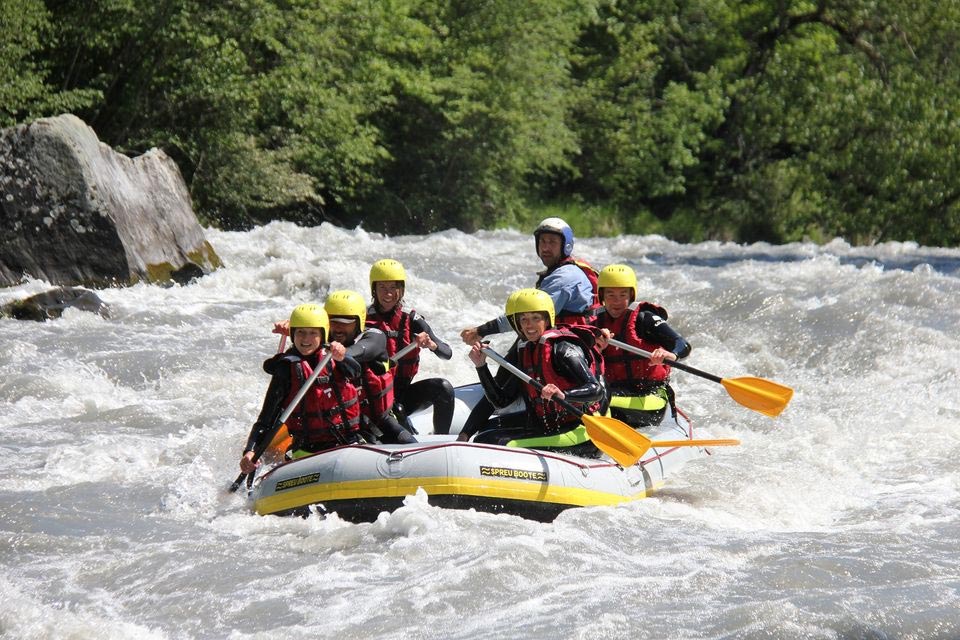
Rafting the Isère river in Bourg-St-Maurice

Rafting French Alps

Canyoning near Annecy in the French Alps

Canyoning

Approaching the Grand Col Ferret on the Italian/Swiss border

HIKING FRENCH ALPS

Rock Climbing and Mountaineering Holidays in Chamonix with Ski Aiguille

MOUNTAINEERING

Tandem Paragliding in Annecy

Annecy Guide

Mountain Biking in France

MOUNTAIN Biking

Subscribe
Notify of
guest

0 Comments
Newest
Oldest Most Voted
Inline Feedbacks
View all comments
0
Would love your thoughts, please comment.x
()
x