The Île de Ré is the Atlantic coast’s most stylish island escape. Whitewashed villages, sandy beaches and shimmering salt marsh stretch for 30 km, laced together by 138 km of flat cycle paths. Hire a bike, point it at a lighthouse, and you’ve understood the place. But there’s far more here than pedalling. Kite beaches, surf breaks, sailing lagoons and fresh seafood shacks make Île de Ré one of the best destinations in western France for an active holiday.
HIGHLIGHTS | ACTIVITIES | BOOK A TRIP | ACCOMMODATION | PRACTICAL INFO
The island floats just off La Rochelle, reached by a graceful 3 km toll bridge. Cars pay around €16 return in summer; bikes and pedestrians cross free. Ten villages share a sliver of land barely 5 km across, so nothing is ever far away. The northern half wraps around the Fier d’Ars lagoon, a tidal world of salt pans and birdlife. The southern coast is one long run of dune-backed beaches.
Ré soaks up around 2,600 hours of sunshine a year — on a par with Corsica — so the season stretches well beyond July and August. Come in June or September and you’ll find warm water, open restaurants and cycle paths all to yourself. It’s a very different flavour from the wilder, cheaper Île d’Oléron to the south. This stretch of France’s Atlantic coast is all the better for having both.
Île de Ré Highlights
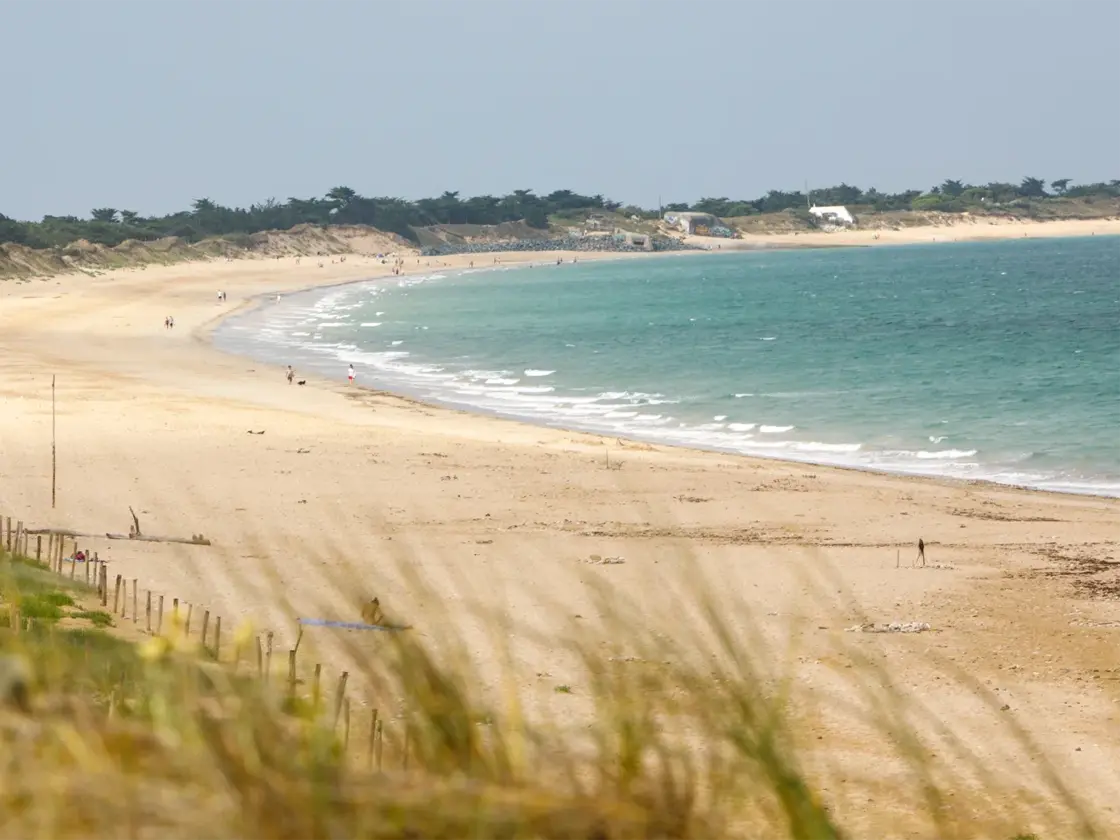
Beaches: The best sand runs along the island’s southern edge, from the family beaches of Le Bois-Plage-en-Ré and La Couarde-sur-Mer. In the north-west, the surf-washed Conche des Baleines curves in a vast crescent below the lighthouse. The east-facing beaches around Rivedoux-Plage stay calm and shallow — ideal for small kids and first-time kitesurfers alike.
Villages and heritage: Saint-Martin-de-Ré is the star — a fortified harbour town whose Vauban ramparts are UNESCO World Heritage listed. The famous donkeys in trousers still patrol the Parc de la Barbette below them. Out west, Ars-en-Ré’s black-and-white church spire has guided sailors for centuries. At the island’s tip, climb the 257 steps of the 60 m Phare des Baleines for the full panorama.
Salt, oysters and ice cream: Between Loix and Ars, salt workers (sauniers) still rake fleur de sel from centuries-old pans — it earned protected PGI status in 2023. Eat oysters where they’re raised at La Cabane du Feneau, an oyster shack out in the La Couarde marshes. Then join the queue at La Martinière in Saint-Martin, an ice-cream institution with more than 250 flavours. The covered market at La Flotte runs daily, all year round.
Plan Your Trip
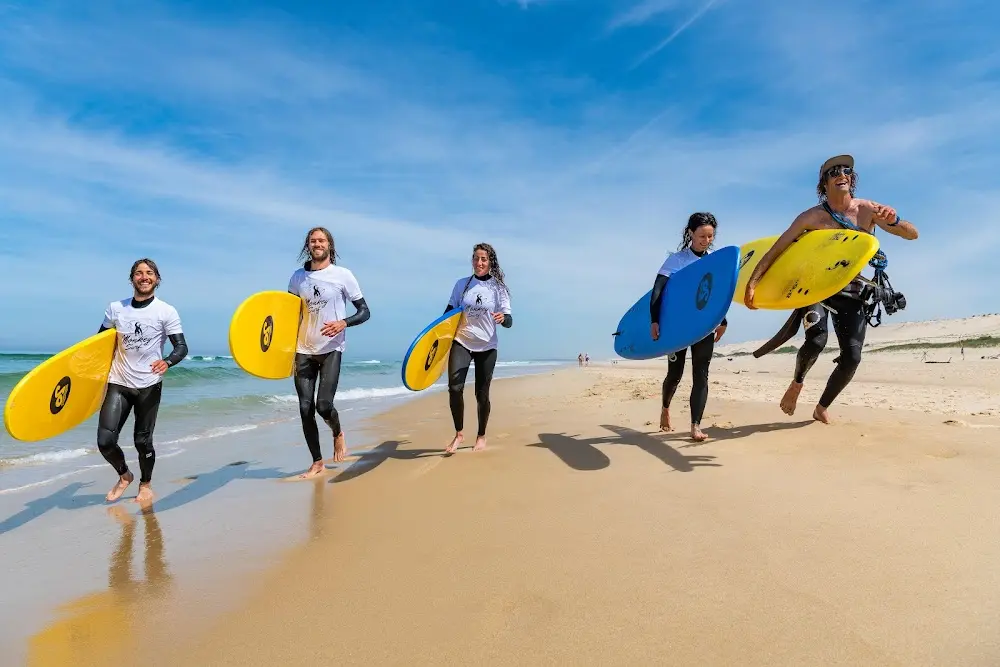

Île de Ré Activities
Ré packs beaches, reefs, a tidal lagoon and pine forest into an island you can cycle end to end in a morning. So whether you travel for wind, waves or wildlife, the next spot is only ever a short pedal away. Here’s our guide to the best outdoor activities on the Île de Ré:
Cycling
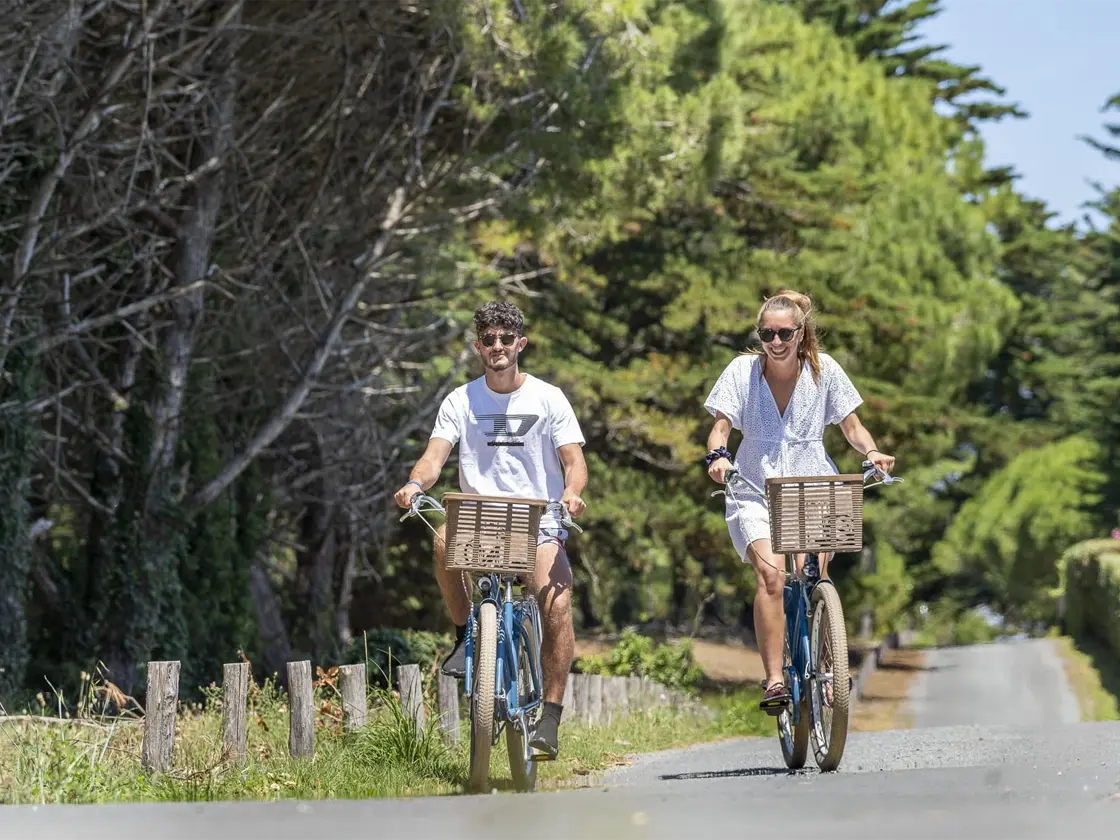
Cycling is the Île de Ré, and everything else is garnish. The island has 138 km of signposted cycle paths and the terrain is pancake-flat. In summer, two wheels are simply faster than four — the paths run where the traffic jams don’t. Families, first-timers and lycra loyalists all get their own pace here.
Three rides to build a day around. Loop the salt marshes from La Couarde-sur-Mer — around 20 km through the pans, with sauniers raking fleur de sel beside the path. Ride the length of the island to the Phare des Baleines and climb it for the view over everything. Or link Saint-Martin-de-Ré’s UNESCO-listed Vauban citadel with Ars-en-Ré and its landmark spire, stopping at an oyster cabane on the way. Signage is excellent, and picnic spots are everywhere.
Hire is effortless. Cycland has eight shops across the island, from Saint-Martin to Les Portes. Classic bikes cost around €14 a day, e-bikes around €30. Beach Bikes counts 19 rental points and delivers free to your campsite or villa. Expect around €16 a day for a classic, €35 for an e-bike. Both offer kids’ bikes, trailers and tandems, so nobody sits it out. Better still, you can cycle onto the island for nothing: the bridge has a dedicated, toll-free cycle lane.
Kitesurfing & Wingfoiling
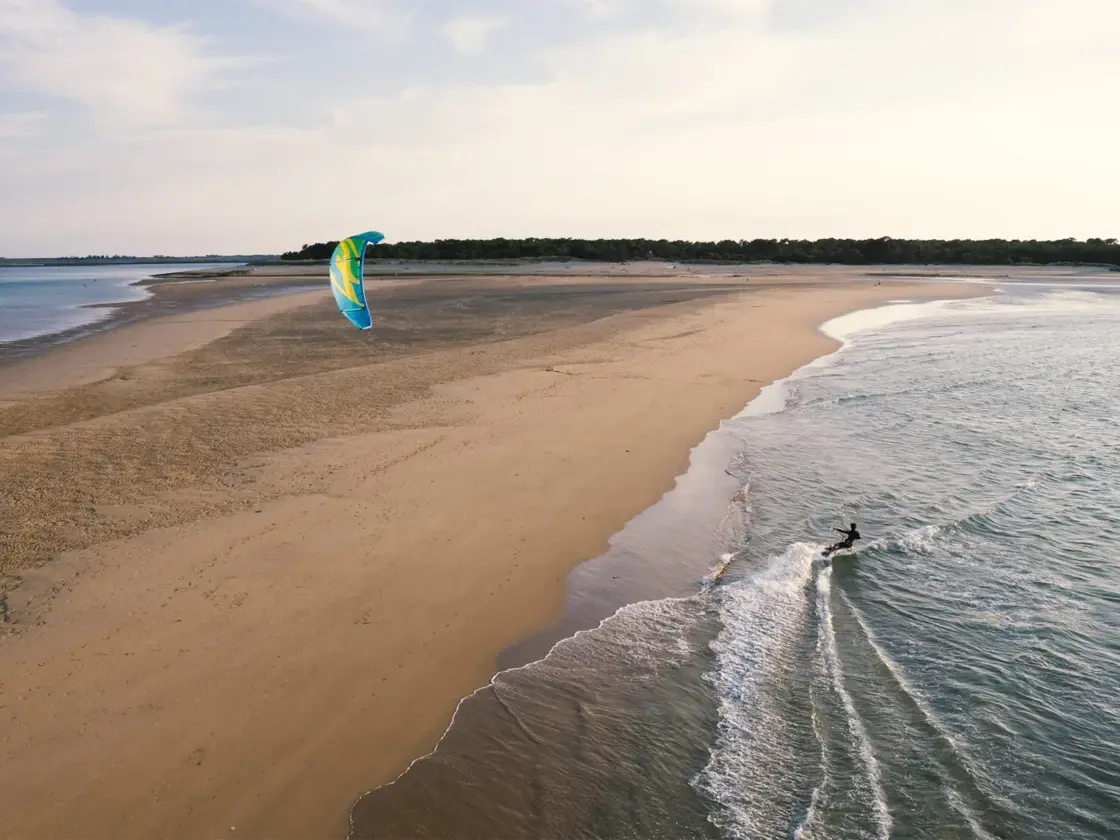
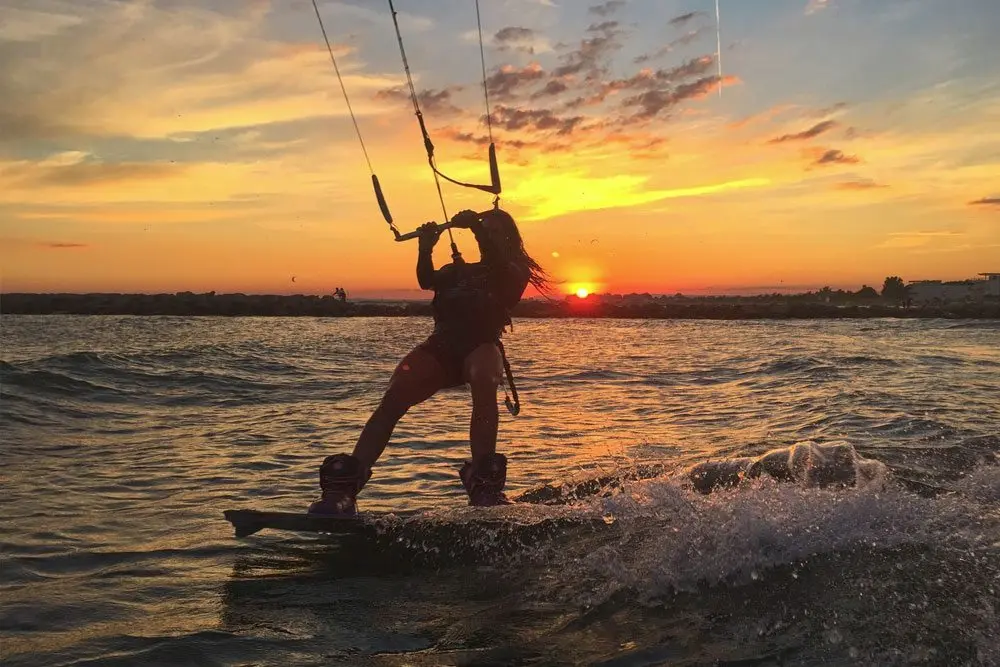
Île de Ré is a proper kitesurfing island — exposed to steady Atlantic breezes and ringed by shallow sand banks. It’s compact enough to chase the best wind of the day. Most schools now teach wingfoiling alongside kite, so you can try both in one trip.
The beginner headquarters is Rivedoux Plage Nord, just beside the bridge. A marked kite zone covers a wide, waist-deep sand bank, protected from the ocean swell. It works on anything from north-west to north-east wind. Across the village, Rivedoux Plage Sud and the Banc de Chauveau serve up waves and stronger conditions for experienced riders. Further west, Le Grouin at Loix rides in almost any wind direction. The flat-water bank at the Pointe du Fier, off Trousse-Chemise near Les Portes-en-Ré, is the speed strip in north to south-east winds. On south-coast sea breezes, wave riders head for Les Gouillauds at Le Bois-Plage.
For lessons, Île de Ré Kitesurf has taught from its beach hut at Rivedoux Plage Nord since 2005. The FFVL-registered school runs kite and wing sessions in groups of just two, with two-hour discovery lessons from around €140. Completely new to the sport? Start with our beginner’s guide to kitesurfing before you book.
Surfing
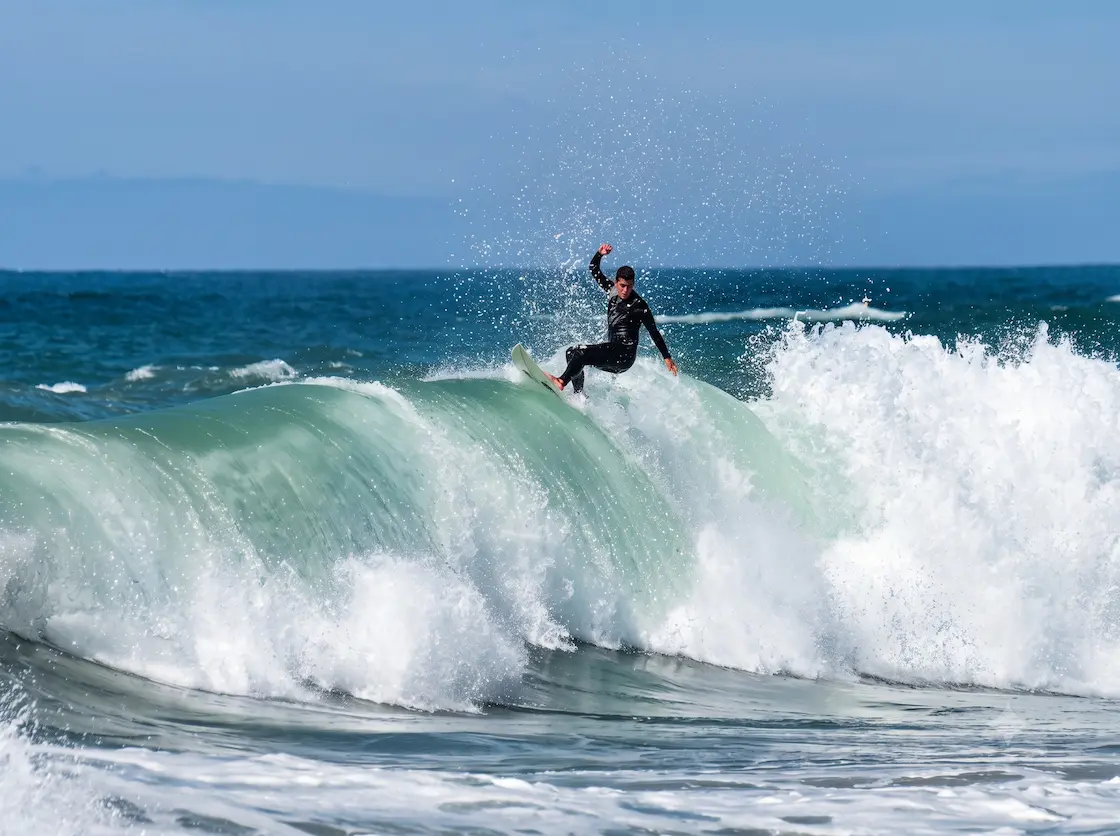
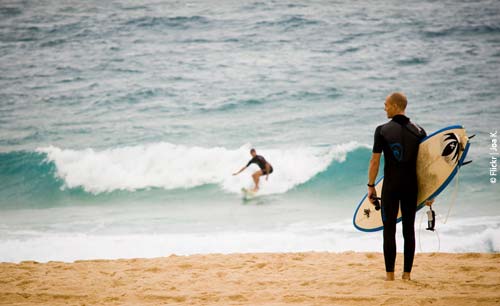
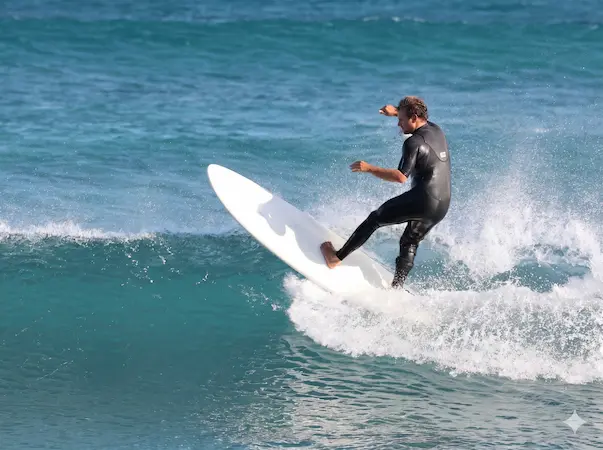
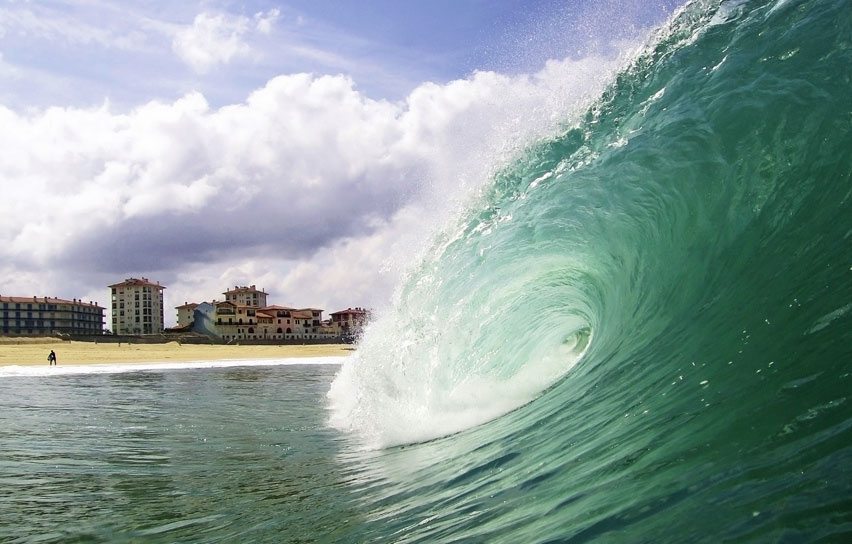
Ré surfs better than its genteel reputation suggests. The tourist office lists ten named spots. The island doesn’t match the power or consistency of south-west France, but a decent autumn or winter swell lights up reefs and beachbreaks for every level. Summer is often small or flat — bring your bike for when the surf’s off.
Les Grenettes at Sainte-Marie-de-Ré is the island’s best-known wave, a reef that suits everyone from improvers to longboarders. Beginners do best at Gros Jonc at Le Bois-Plage-en-Ré, with sand-bottomed peaks at high tide. When a proper swell arrives, experienced surfers head north. Le Petit Bec and the reef at Le Lizay near Les Portes-en-Ré catch the most swell on the island. The Conche des Baleines throws fast, powerful waves below the lighthouse — none of them beginner territory.
For lessons, Ré Surf at Gros Jonc runs 90-minute group sessions from around €45, with board hire from about €15. More schools and surf clubs operate at Le Bois-Plage and Les Portes in season. Never surfed before? Read our learn to surf guide first, and check our wetsuit buying guide if you’re coming outside summer.
Sailing & Boat Trips
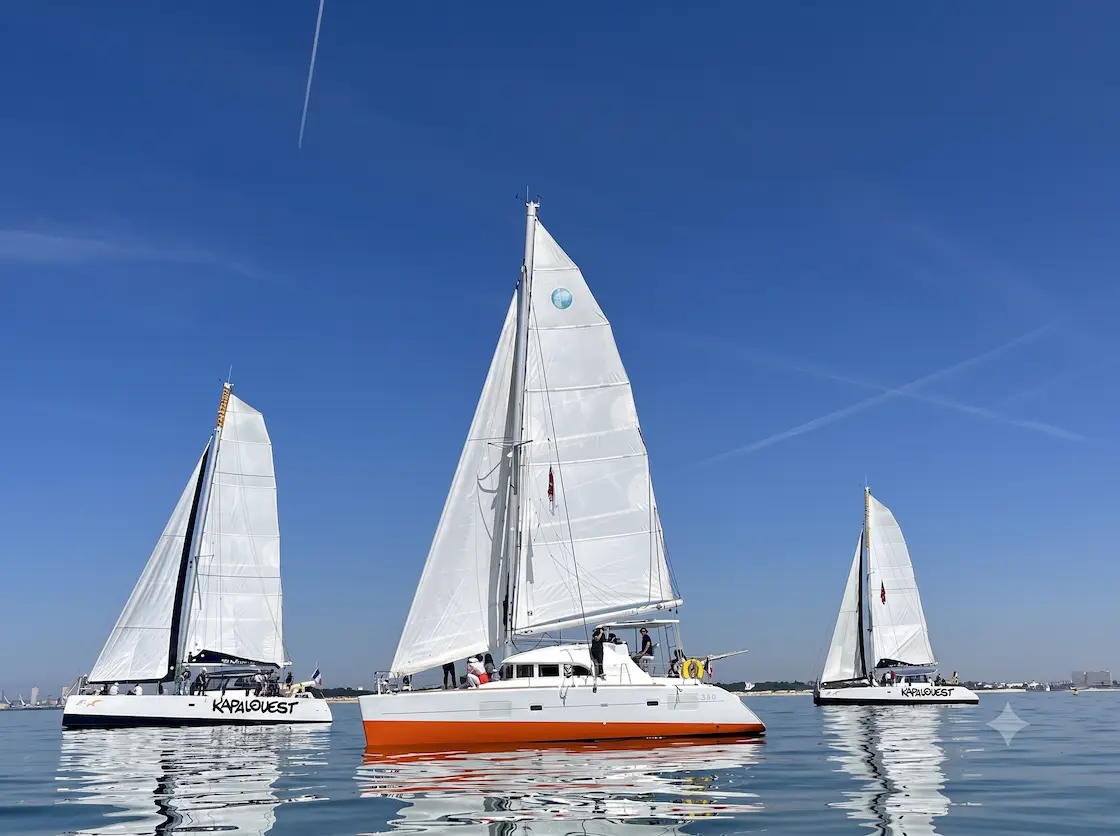
Sailing runs deep in Rétais culture, and the island makes learning easy. Île de Ré Voile teaches catamaran and dinghy from four beaches. Find them at La Cible (Saint-Martin), Les Prises (La Couarde), Gros Jonc (Le Bois-Plage) and Loix, with courses for kids from age six upwards. Out west, the Cercle Nautique d’Ars-en-Ré (CNAR) runs a full French Sailing School programme on the sheltered Fier d’Ars lagoon. Catamaran, dinghy, windsurf and wingfoil all happen in flat water that forgives every beginner mistake.
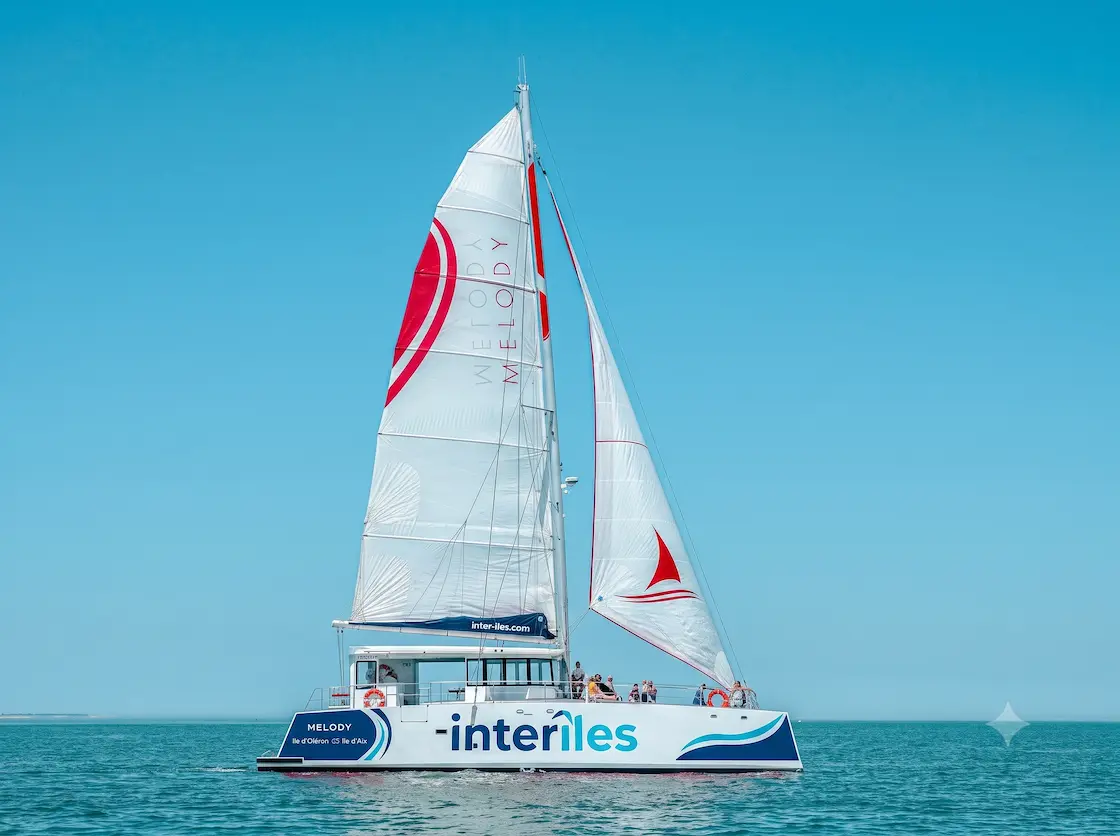
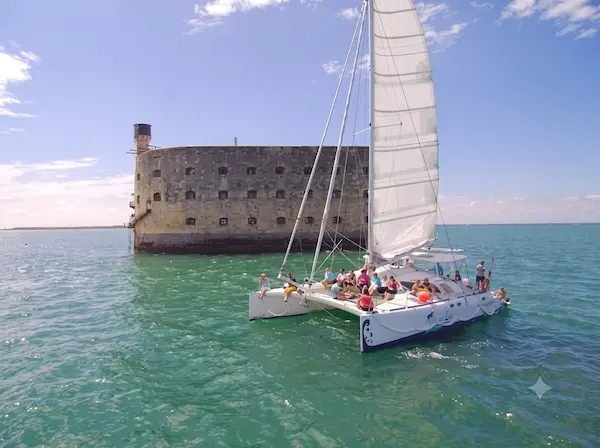
Prefer someone else on the helm? From La Flotte’s pretty harbour, a two-hour catamaran cruise along the island’s coast costs around €44 per person. It’s the only sailing trip that departs from the island itself. Prefer the region’s big-ticket sight? From La Rochelle, a four-hour maxi-catamaran threads between Ré, Aix and Oléron to circle Fort Boyard — around €48 per person.
Set Sail from La Flotte Harbour
See the Île de Ré the way sailors always have — from the water, with the wind doing the work.
Board the sailing catamaran at La Flotte for a two-hour cruise along the island’s coastline under sail. The pontoon sits below the little green lighthouse at the harbour mouth.
It’s the only sailing trip that leaves from the island itself, so there’s no drive to La Rochelle and no parking stress. Expect to pay around €44 per person.
Book your cruise in partnership with GetYourGuide.
Paddling the Salt Marshes
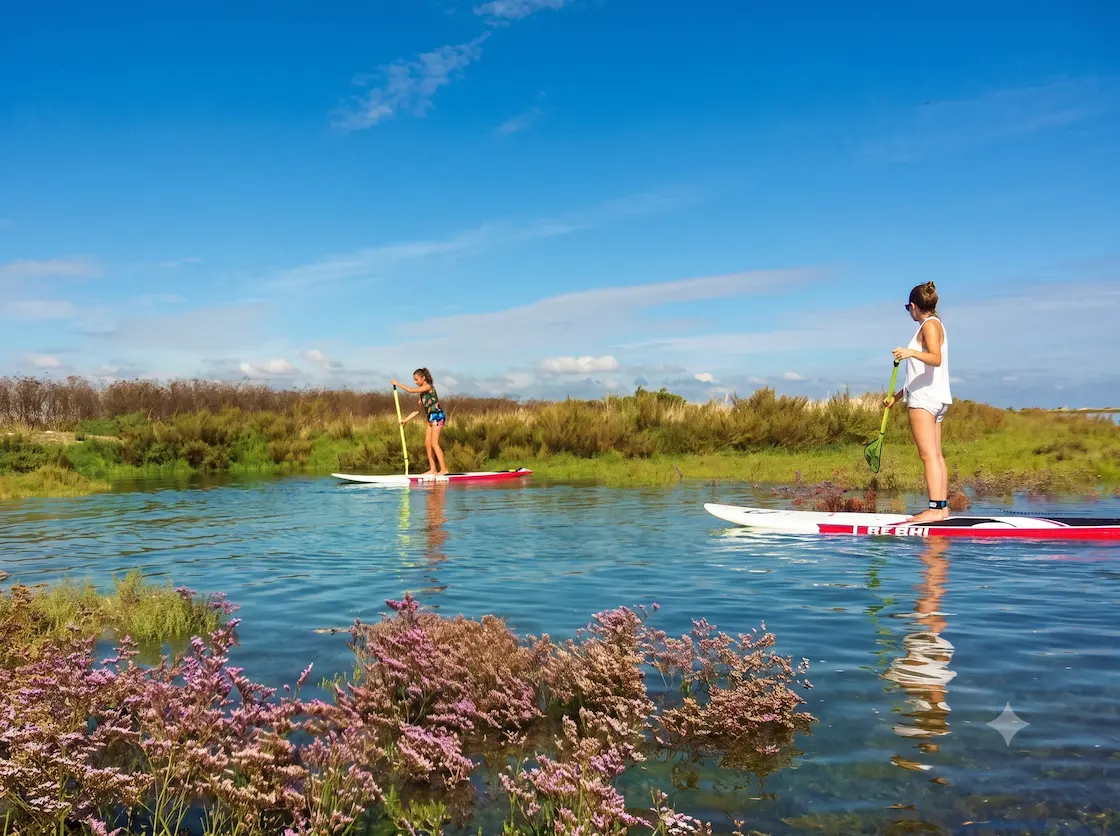
The Fier d’Ars is Ré’s secret interior — a tidal lagoon of silver channels, salt pans and reed beds tucked behind the island’s northern arm. On a paddleboard or in a kayak, it’s another world: no engines, no roads, just birds and the sound of your own wake.
CNAR in Ars-en-Ré runs instructor-led discovery outings on the lagoon by SUP or sailing dinghy. Canoë Salé at Loix leads guided canoe trips deep into the salt-marsh channels. Your guide unpacks the history of the sauniers as you go. Time matters here. The channels drain at low water, so every outing runs to the tide — book ahead rather than turning up.
The lagoon’s north shore holds the Lilleau des Niges nature reserve — 121 hectares of LPO-protected marsh at Les Portes-en-Ré. It’s one of the best birdwatching sites on the Atlantic coast. Avocets and black-winged stilts breed here in spring. Tens of thousands of brent geese, godwits and plovers pile in for winter. The reserve’s trails are free to walk, and the Maison du Fier visitor centre opens daily in summer.
Horse Riding
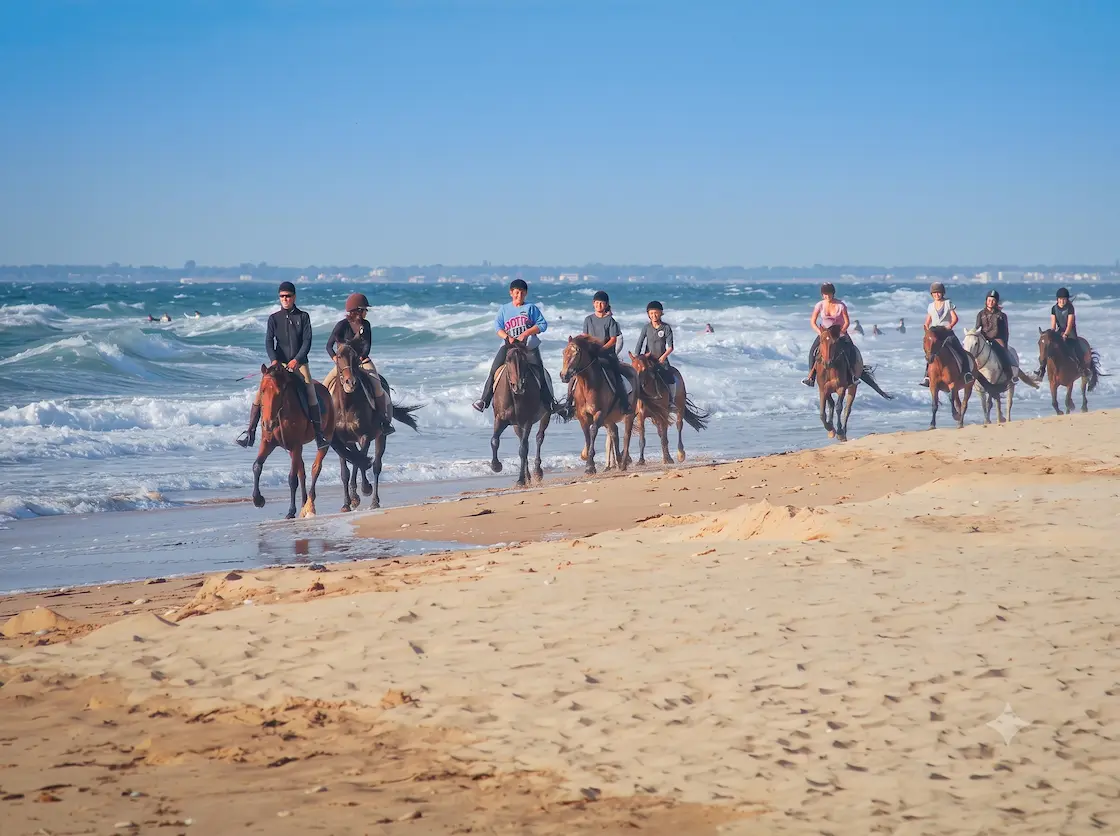
Seeing Ré from the saddle is the island at its most cinematic — pine forest opening onto empty sand, with the Atlantic filling the horizon. And because the beach rides run early morning or evening, you get the coast at its quietest light.
Les Écuries du Moulin Moreau, on fifteen hectares of woods just outside La Flotte, runs two-hour forest rides with a stretch on the beach. Beach time comes before 10 am or after 8 pm at low tide, when horses are allowed on the sand. Riders of all levels are catered for, with ponies for the kids back at the stables. At Le Bois-Plage, the Haras des Evières adds lessons and forest hacks, with beach rides for experienced riders.
Where to Stay on the Île de Ré
Ré does accommodation with real style — harbourside boutique hotels, whitewashed village houses and pine-shaded campsites, all within a bike ride of a beach.
Pick your base by sport. Kitesurfers want Rivedoux-Plage, right by the kite beaches at the island’s entrance. Surfers and families do well around Le Bois-Plage and Sainte-Marie on the south coast. For harbour-town charm, nothing beats Saint-Martin-de-Ré. And cyclists can stay anywhere at all — the path network reaches every village. Here are some of our favourite places to stay:
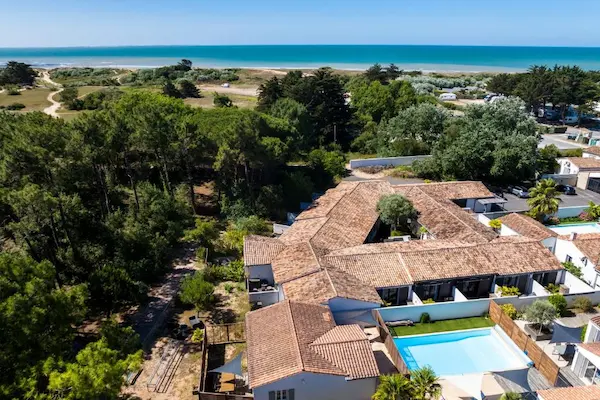
Hôtel Île de Ré
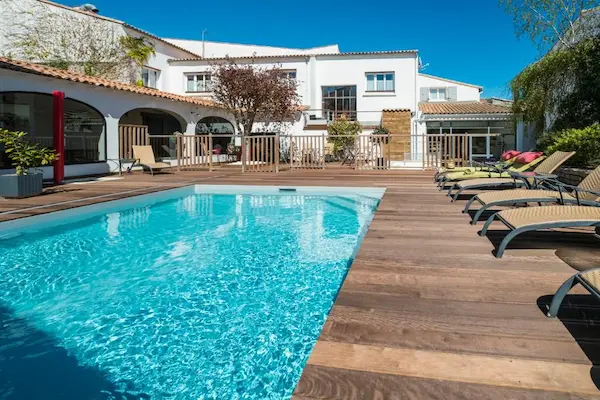
Hôtel de La Marée
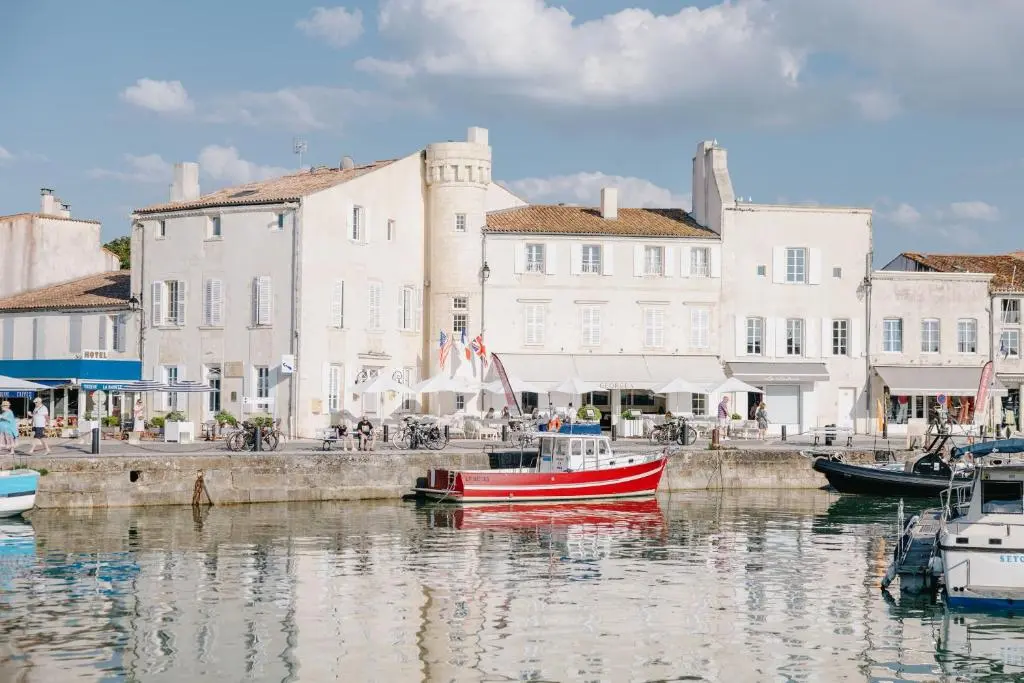
Hôtel de Toiras
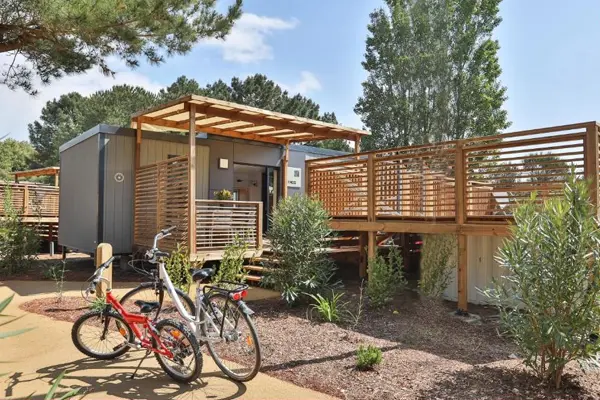
Camping Les Peupliers
Find More Accommodation
Use the map below to search hotels, campsites, apartments and villas across the Île de Ré.
Practical Info
Getting There
The island is reached by the 2.9 km Pont de l’Île de Ré from the edge of La Rochelle, open since 1988. Cars pay an “écotaxe” at the mainland toll plaza. Expect around €16 return in high season (mid-June to mid-September), around €8 in the shoulder months and €4 in winter. Bikes and pedestrians cross free on dedicated lanes. Ré charges the car but never the cyclist — while its neighbour, the Île d’Oléron, has no toll at all. By rail, take the TGV to La Rochelle, then a regional bus or taxi. La Rochelle-Île de Ré airport sits just minutes from the bridge.
Getting Around
In July and August, the bike wins every time. Village centres jam with traffic while the cycle paths glide past. From April to September you’ll walk your bike through the pedestrianised village cores anyway. Regional buses link La Rochelle with the island’s villages year-round if you’re car-free. Most visitors settle into the same rhythm: park once, then pedal.
Parking
Want to skip the toll altogether? Leave the car at the Belvédère car park on the mainland side of the bridge. From April to October, free Navette shuttles carry you and your bike across. On the island, village car parks charge by the hour in season, while free spaces sit on the village edges. A five-minute walk saves real money over a week.
Bike Hire
Cycland and Beach Bikes between them cover every village on the island, with online booking, kids’ bikes, trailers and tandems. Expect around €14–16 a day for a classic bike and €30–35 for an e-bike. Beach Bikes delivers free to campsites and holiday homes. In peak season, reserve a few days ahead — the island genuinely can run short of bikes.
Best Time to Visit
With around 2,600 hours of sunshine a year, Ré runs a long season. June and September are the sweet spot: warm sea, quiet paths, everything open and the bridge toll at its shoulder rate. July and August bring the glamour and the crowds in equal measure. For kitesurfers and surfers, autumn is prime — steadier wind, better swell, and beaches back to the locals.
Île de Ré FAQ
Planning Your Visit
Cars pay around €16 in high season (mid-June to mid-September), around €8 in the shoulder months and €4 in winter. The return crossing is included, and it’s collected on the mainland side only. Motorbikes pay around €3, while bikes and pedestrians cross free.
Yes. The bridge has a dedicated cycle lane on its northern side and a pedestrian path on the south, both free. If you’d rather not pedal the climb, free Navette shuttles carry cyclists and pedestrians across from the Belvédère car park between April and October.
June and September hit the balance: warm weather, open restaurants, quiet cycle paths and a cheaper bridge toll. July and August are lively but crowded, and accommodation books out early. Kitesurfers and surfers get the best wind and swell in autumn.
Cycling, Surf & Wind
It’s one of the best cycling islands in Europe. There are 138 km of signposted, mostly traffic-free cycle paths and the terrain is completely flat. Hire is everywhere — around €14–16 a day for a classic bike or €30–35 for an e-bike, with kids’ bikes and trailers widely available.
Yes — the island has ten named spots. Les Grenettes at Sainte-Marie is the best-known reef, and Gros Jonc at Le Bois-Plage suits beginners. Le Lizay and the Conche des Baleines fire for experienced surfers on bigger swells. Lessons cost around €45; autumn is far more consistent than summer.
Rivedoux Plage Nord, right beside the bridge, is the beginner spot. A marked kite zone covers a shallow sand bank, protected from the ocean swell. Île de Ré Kitesurf has taught there since 2005, with two-hour discovery lessons from around €140 in groups of just two.
Please leave a comment below if you need specific advice for your trip to the Île de Ré, or if you have any recommendations to help us improve this guide. Happy holidays!